
Business and Economy
Glo partners Samsung for Z Fold 8 series launch


By Chidera Orji
Digital solutions services provider, Globacom and global phone maker, Samsung, have again partnered for the unveil of the new Galaxy Z Fold8 Ultra and Galaxy Z Fold8 at an exclusive Masterclass event held at the Gloworld, Adeola Odeku, Victoria Island, Lagos.
The occasion emphasised the two companies’ long-standing collaboration, which has continued to provide Nigerian customers with exceptional deals and first-rate experiences.
In addition to Glo’s personalized after-sales service, every Galaxy Z Fold8 Ultra and Galaxy Z Fold8 purchased at any Gloworld location across the country comes bundled with an e-SIM and a special number. Each purchase also gets as much as 10GB monthly free Data for six months.
Samsung’s Product Manager, EIP & MNOs Business, Mr. Solomon Osibeluwo, thanked Globacom for its ongoing support in bringing Samsung’s latest innovations closer to customers and giving subscribers the chance to experience the brand’s newest technologies firsthand. He described the partnership as one built on years of trust and shared commitment.
According to Osibeluwo, the new Galaxy Z Fold8 series is an additional advancement in smartphone technology. The devices offer enhanced multitasking, powerful Galaxy AI features, and faster performance thanks to the Snapdragon 8 Elite Gen 5 for Galaxy processor.
In his remarks, Director of Gloworld, Mr. Mohamed Rabie, stated that the launch was another milestone in the enduring partnership between Globacom and Samsung. He said both companies have continued to introduce innovative devices, exclusive offers and exceptional customer experiences, combining Samsung’s AI-powered technology with Globacom’s trusted network and personalised services to help customers work smarter, create more and stay connected.
He announced that customers can pre-order the Galaxy Z Fold8 Ultra and Galaxy Z Fold8 at any Gloworld outlet nationwide from July 22 to August 20, giving them early access to Samsung’s latest foldable smartphones.
The event also featured live demonstrations of the new devices, allowing guests including business partners, technology enthusiasts and members of the media to explore Samsung’s latest foldable technology, Galaxy AI features and productivity tools. The Masterclass further reinforced the shared commitment of Globacom and Samsung to delivering cutting-edge innovation and greater value to customers across Nigeria.


By Ikenna Okoli
Globacom on Wednesday drew the curtain on the 2026 Ofala Festival with a Royal Banquet in honour of the Obi of Onitsha, Igwe Alfred Nnaemeka Achebe, Agbogidi.
The elegant event, which was attended by the monarch, cabinet chiefs, Glo trade partners and high net-worth customers, marked the grand finale of the festival sponsored by the telecommunications and digital solutions company

Mike Ehumadu, Globacom’s Divisional Head, South East, said that, by hosting the event, the company underscored the enduring value of partnerships between corporate organizations and traditional institutions in sustaining the country’s cultural legacy.
He congratulated Igwe Achebe, the Ofala Festival organizing committee and the people of Onitsha on the successful celebration of this year’s event, and restated the company’s commitment to initiatives that celebrate Nigeria’s cultural diversity, strengthen community bonds and project the nation’s rich heritage to the world.
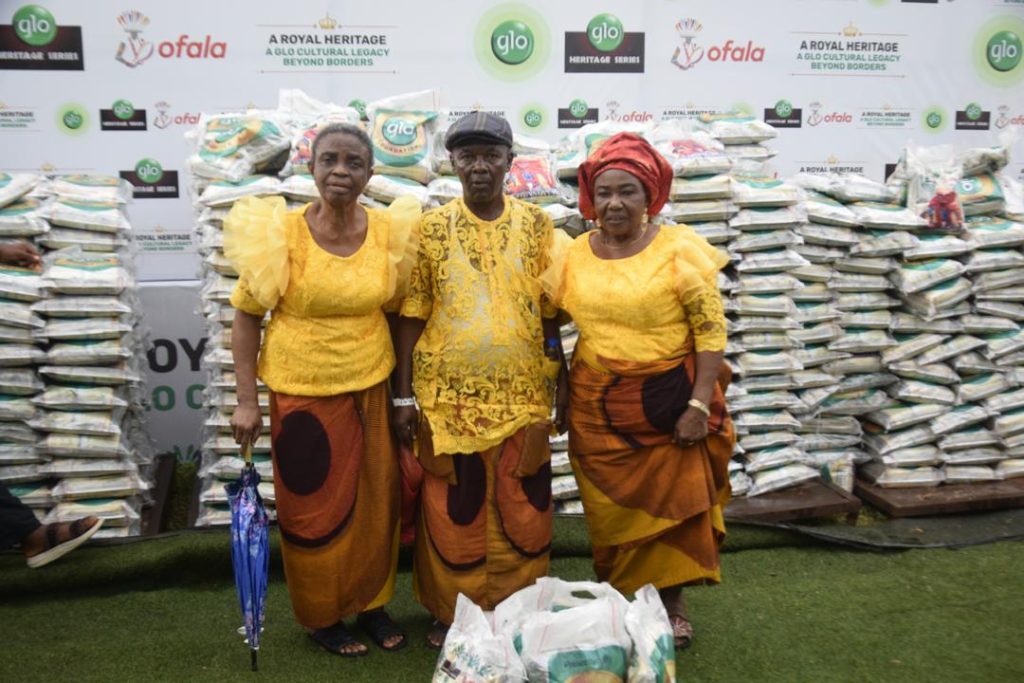
The evening was a rich blend of culture, music and comedy, with guests treated to performances by Aniweta Mazeli, Boy o Boy and the Groove Band, while comedian MC Ezegetive brought laughter and excitement to the gathering. Their stagecraft complemented the grandeur of the occasion, and created memorable moments for the royal household, community leaders and other guests.
Globacom also used the occasion to celebrate the competitive spirit, discipline and community pride demonstrated by the various Onitsha age grades during the festival by rewarding those who won the different competitions with cash prizes and trophies. It also presented hundreds of bags of special Basmati rice to all the members of the different age grade associations.
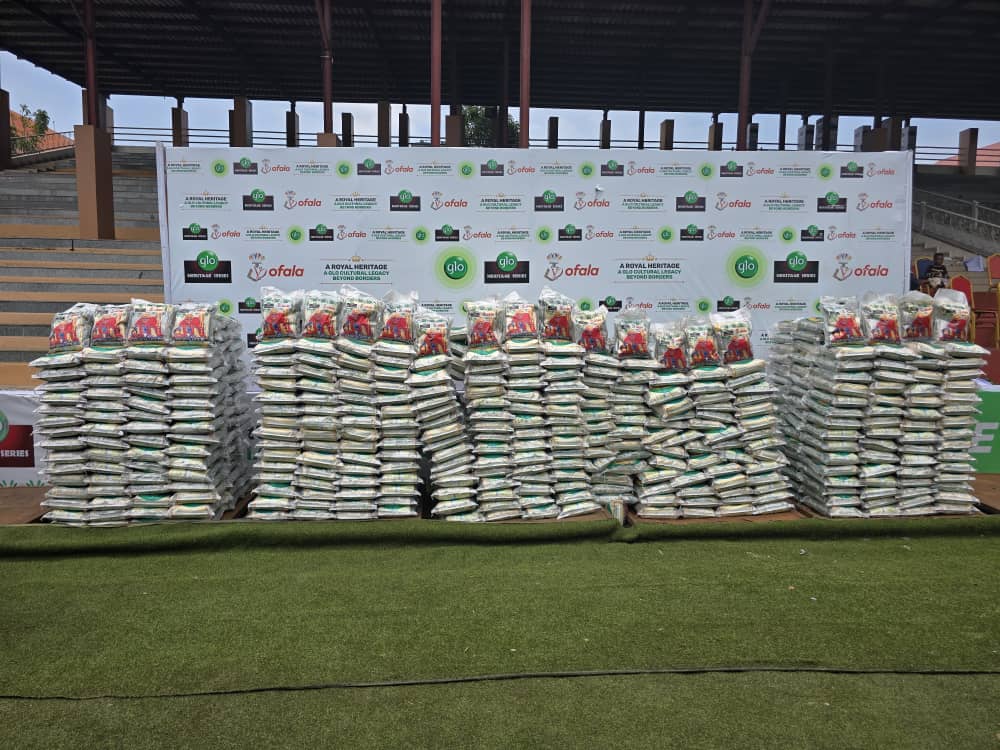
The company’s continued association with the Ofala celebration demonstrates how private-sector investment can help traditional institutions preserve heritage, while expanding the social and economic values of cultural events.
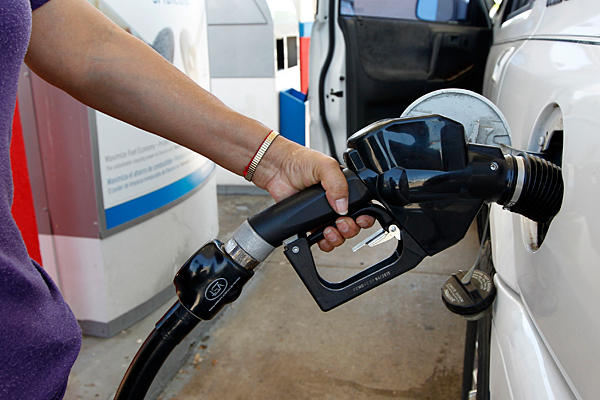
The Nigerian National Petroleum Company Limited, NNPCL, has increased its premium motor spirit, PMS, pump price following the announcement of a discounted fuel price.
Checks on Friday showed that NNPCL increased its petrol price to N1,405 per litre from N1,370 per litre.
Several fuel pump attendants, who spoke to an online medium Daily Post, on condition of anonymity, said the latest price increase was announced on Thursday but implemented on Friday.
This means that NNPCL’s petrol price increased by N35 per litre, although the state-owned oil company has not explained the reason for the adjustment.
The latest development means that petrol prices at the company’s filling stations have risen again despite the controversy surrounding the announced fuel discount.
On Thursday, the Minister of Finance, Taiwo Oyedele, announced a proposed fixed petrol gantry price of N1,375 per litre ahead of the January 16, 2027, presidential election.
By Our Reporter with agency report
The International Monetary Fund (IMF) has advised Nigeria against restoring broad petrol subsidy, recommending targeted support for vulnerable households to cushion the impact of rising energy costs.
IMF said blanket petrol subsidies were expensive, often benefited higher-income consumers disproportionately and could worsen fiscal pressures amid rising borrowing costs.
Rodrigo Valdés, director of the IMF’s fiscal affairs department, spoke during a press briefing on the fund’s fiscal monitor at the 2026 annual meetings of the IMF and World Bank in Bangkok, Thailand, on Wednesday.
His comments followed a question on how the fund could recommend allowing energy prices to reflect scarcity when higher fuel prices in Nigeria could raise transport costs, worsen inflation and deepen poverty, particularly when the government was facing calls to restore petrol subsidy ahead of an election year.
“Protecting people is not the same as protecting the price of fuels,” Valdés said.
He said fuel subsidies or measures preventing prices from adjusting fully to an energy shock had cost countries between 1 percent and 1.5 percent of gross domestic product (GDP) in 2026.
“It’s first fiscally very costly, and second, if you look at the pattern of consumption, it’s easy to see that that subsidy is readily regressive in many places,” he said.
Valdés said governments should instead use social safety nets and household data to identify people who need assistance.
“There are better tools to deal with this,” he said.
The federal government recently announced a 30-day petrol discount at Nigerian National Petroleum Company (NNPC) Limited retail stations, with priority for public transport operators, to cushion the impact of rising fuel prices.
Taiwo Oyedele, minister of finance, said NNPC retail would sell petrol at cost by foregoing its retail profit margin, describing the measure as temporary relief rather than a return to petrol subsidy.
The government also proposed negotiating a ceiling of N1,350 per litre on petrol’s ex-gantry or landing cost, subject to monthly reviews
IMF URGES FG TO REDIRECT SUBSIDY GAINS TOWARDS VULNERABLE PEOPLE
The IMF also recommended targeted interventions to cushion the effect of higher fuel prices on transportation costs.
Davide Furceri, a division chief in the fund’s fiscal affairs department, said governments could redirect some of the resources spent on blanket subsidies towards vulnerable consumers.
“For example, you mentioned transportation costs. Yeah, gasoline could go up, and perhaps bus fees may be subsidised in a way that is a much better policy at the end of the day than just a blanket subsidy for everybody,” Furceri said.
He also suggested alternatives such as school feeding programmes, geographical targeting and assistance for vulnerable farmers.
READ ALSO: Atiku accuses Tinubu of copying his fuel subsidy proposal
Furceri acknowledged that some countries lacked household registries and digital payment systems needed to deliver targeted support effectively.
However, he said governments could adopt alternative approaches in the short term while developing stronger systems.
He recommended that assistance should be limited, targeted and temporary.
Valdés explained that fuel subsidies could worsen global energy pressures by preventing demand from adjusting when supplies were constrained.
“When you subsidise, you don’t allow, at the end of the day, demand to adjust,” he said.
“And reality is that we have less fuels in the world economy. That means that someone else has to adjust more, and the market produces a higher price for that.”
The IMF official said subsidies were not only costly and regressive but could also have spillover effects on the global economy.
TheCable
-
 General News2 weeks ago
Rivers 2027: We are not part of Rainbow Coalition – APC Legacy Group slams Wike, Fubara meeting
-
General News1 month ago
JOHESU demands: MHWUN puts FG on notice over fresh action
-
 Politics1 month ago
2027: ASAF backs APC governors, rejects rainbow coalition
-

 Politics2 months ago
You have demonstrated diligence, loyalty, statesmanship in leadership, Ekechi salutes Shetimma at 60
-

 Politics2 months ago
2027: Advertising experts raise concerns over irregular regulation of sector
-
FCT News2 months ago
2027: Hasana-Moneme pledges skills, empowerment, credit access for FCT women
-
General News3 months ago
2027: Dame Princess Esom-Nwafor Orizu confirmed as APC flagbearer for Nnewi North /South /Ekwusigo Federal Constituency as INEC releases names of candidates
-
Uncategorized4 months ago
Rescue of Oyo schoolchilden: Tinubu commends security agencies, says action breakthrough in fight against criminality