
Metro
CP Oji Ama moves to deepen community participation in security, hosts Anambra South stakeholders


By Ijeoma Nwajiobi, Nnewi
The Commissioner of Police, Anambra State Command, CP Nnanna Oji Ama has on Wednesday, August 12, 2026, held a strategic security stakeholders’ interactive meeting with key stakeholders from Anambra South Senatorial District in Nnewi.
The engagement at the Anaedo Hall, Nnewi, formed part of the Command’s renewed strategy to deepen community-based and intelligence-led policing through sustained collaboration with traditional rulers, political leaders, community leaders, youth groups, religious organisations, business communities, sister security agencies and other critical stakeholders.

The meeting also provided an opportunity for stakeholders to identify emerging security challenges in the district, exchange actionable intelligence and develop practical strategies for strengthening security and public safety.
The Commissioner of Police also paid a courtesy visit to His Royal Majesty, Igwe Orizu III of Nnewi, as part of his engagement with critical stakeholders in the area.

Stakeholders from the seven local government areas in Anambra South — Aguata, Ekwusigo, Ihiala, Nnewi North, Nnewi South, Orumba North and Orumba South — participated in the meeting.
CP Oji Ama stressed that effective policing could not be achieved without the active support and partnership of the people, assuring residents that the Command remained committed to protecting lives and property, preventing crime and maintaining peace and public order across the state.
He said the security stakeholders’ engagement would be sustained across the senatorial district, urging residents to participate actively and provide useful information that could assist security agencies in tackling emerging threats.
The meeting is part of the Command’s broader efforts to strengthen community participation and intelligence gathering in the fight against crime in Anambra State.

By Our Reporter with agency report
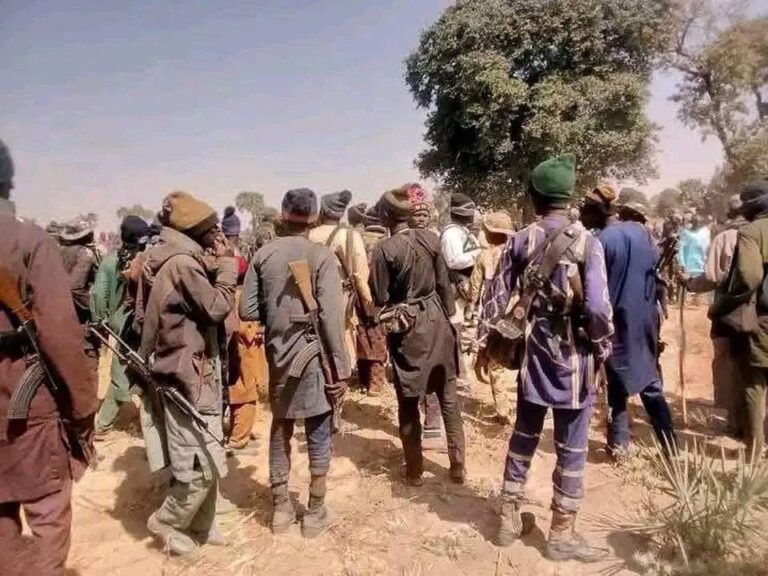
Four local vigilantes have been killed by gunmen who attacked Shurum village in Dorowa Babuje, Barkin Ladi Local Government Area of Plateau State.
According to a report by Vanguard, the incident reportedly occurred at about 11:56pm on Friday, when the assailants invaded the community and attacked the vigilantes while they were on duty protecting residents.
A community member, Mr Bulus Bature, confirmed the killings, expressing sadness over the death of the volunteers who had taken it upon themselves to safeguard their neighbourhood.
“They were watching over our community when the gunmen struck and killed them.”
Bature lamented the attack, describing it as a painful loss for the community, particularly because the victims were killed while carrying out their voluntary security duties.
“It is painful that people who volunteered to protect their community could be attacked and killed while carrying out their duty.”
The National Publicity Secretary of the Berom Youth Moulders Association (BYM), Rwang Tengwong, also confirmed the incident.
Tengwong said the association had received reports of the attack, which claimed the lives of four people.
“We received information about the attack and can confirm that four people were killed by the gunmen.”
He condemned the killings, describing the targeting of community members involved in local security efforts as unfortunate.
“It is unfortunate that our people, who were keeping watch over their community, were targeted and killed.”
The BYM spokesman expressed concern over the latest violence and called on security agencies to investigate the incident and ensure that the perpetrators were brought to justice.
“We are deeply saddened by this latest attack and call on the relevant security agencies to urgently investigate the incident and ensure that those responsible are brought to justice.”
Tengwong warned that residents should not be left to live in constant fear, particularly when those volunteering to protect their communities were themselves becoming targets of attacks.
“Our people cannot continue to live in fear while those volunteering to protect their communities are being attacked and killed.”
He also urged the government and security agencies to increase security measures in the affected communities to prevent further attacks.
“We appeal to the government and security agencies to strengthen security around the affected communities.”
Efforts to obtain comments from security operatives on the incident were unsuccessful as of press time.
(VANGUARD)

By Chidera Orji
The 2026 Globacom-sponsored Ofala Festival began on a spectacular note on Wednesday in Onitsha, Anambra State, with the Youth Carnival organised by the Onitsha Ado Youth Council (OYC).
The carnival featured different cultural groups, including the Otu Odu Onitsha, Egwu Odu, and Agbalanze, dressed in full traditional regalia dancing through the streets of Inland Town, Onitsha, in celebration of the Obi of Onitsha, Igwe Alfred Nnaemeka Achebe. The carnival was also used to showcase the rich cultural heritage of Onitsha indigenes.

A striking aspect of the ceremony was the way young people embodied the grandeur of traditional institutions, appearing in carefully made costumes of prominent traditional rulers, including the Obi of Onitsha, the Oba of Benin and the Ooni of Ife.
After the street procession, the youths gathered at the old Ime Obi, St Stephen Anglican Church Road, where they held fashion parades and different competitions among the different groups.
Ofala celebrations will continue with the Iru Ofala on Friday, October 16, and the Azu Ofala on Sunday, October 17. A Royal Banquet organised by Globacom in honour of Igwe Achebe will be held on Wednesday, October 21, at the Ime Obi, Onitsha. The activities will be rounded off with an Ofala Thanksgiving service scheduled for Sunday, October 25 at St. Stephens Anglican Church.

Globacom disclosed in a statement that its continued association with Ofala “reflects a philosophy that places culture alongside connectivity as instruments of national development.
“Ofala is far more than an annual cultural celebration. It is a living expression of identity, continuity and collective aspiration. Our sustained partnership with this magnificent institution reflects our belief that preserving heritage and advancing society are not competing imperatives; they are mutually reinforcing pillars of a progressive nation. This is the spirit of Globacom’s clarion call, ‘Never Settle for Less’, which is to honour what is worthy, while continually striving for something greater,” the company added.
By Our Reporter
A civil society organisation has called for the adoption of the Girls Act model as a strategy to reduce HIV infections among young girls, warning that the disease remains prevalent, particularly among adolescent girls and young women.
The call was made on Tuesday during activities to commemorate the International Day of the Girl Child in Abuja. It follows concerns that women and adolescent girls bear a disproportionate burden of HIV infections compared with men and boys, particularly in sub-Saharan Africa.
The advocacy group noted that HIV could be better controlled if girls living with HIV were supported to remain on treatment, while those who were HIV-negative learned skills to prevent new infections and make informed decisions.
According to the Advocacy Lead at AIDS Healthcare Foundation (AHF), Steve Aborisade, although significant progress has been recorded in the global fight against HIV/AIDS, more work is needed to support young girls and vulnerable women.
Quoting the Joint United Nations Programme on HIV/AIDS (UNAIDS), Aborisade said women account for more than 50 per cent of people living with HIV globally and roughly 60 per cent in sub-Saharan Africa.
“Adolescent girls and young women aged 15 to 24 years are up to two to three times more likely to acquire HIV than young males of the same age.
“Biologically, women face a roughly two-fold higher acquisition risk per unprotected heterosexual act due to a larger mucosal surface area and longer exposure to seminal fluids.”
The UNAIDS data further indicated that many people living with HIV do not know their status and that concerted efforts are still needed to improve young people’s knowledge of HIV transmission and prevention.
“Adolescents aged 10 to 19 years face distinct physiological, psychological, legal and social factors that make them disproportionately vulnerable to low uptake of HIV testing,” the data indicated.
AHF, however, said patriarchy weighs heavily on women and girls and, combined with poverty and limited information, narrows their choices long before they can decide the terms of their own lives.
“A girl who cannot afford menstrual products, who has dropped out of school, or who depends on others for money, has fewer options, including options about sex. HIV and other sexually transmitted infections (STIs) thrive in exactly those conditions,” AHF said.
AHF said the Girls Act model, championed “for girls, by girls,” seeks to prevent HIV and STI transmission, support girls living with HIV to remain on treatment, reduce unplanned pregnancies and keep girls in school.
“As of 2026, the programme counted more than 4,500 girls in active engagement,” it said.
According to AHF, Girls Act works across four connected areas: health, education and livelihoods, leadership, and results.
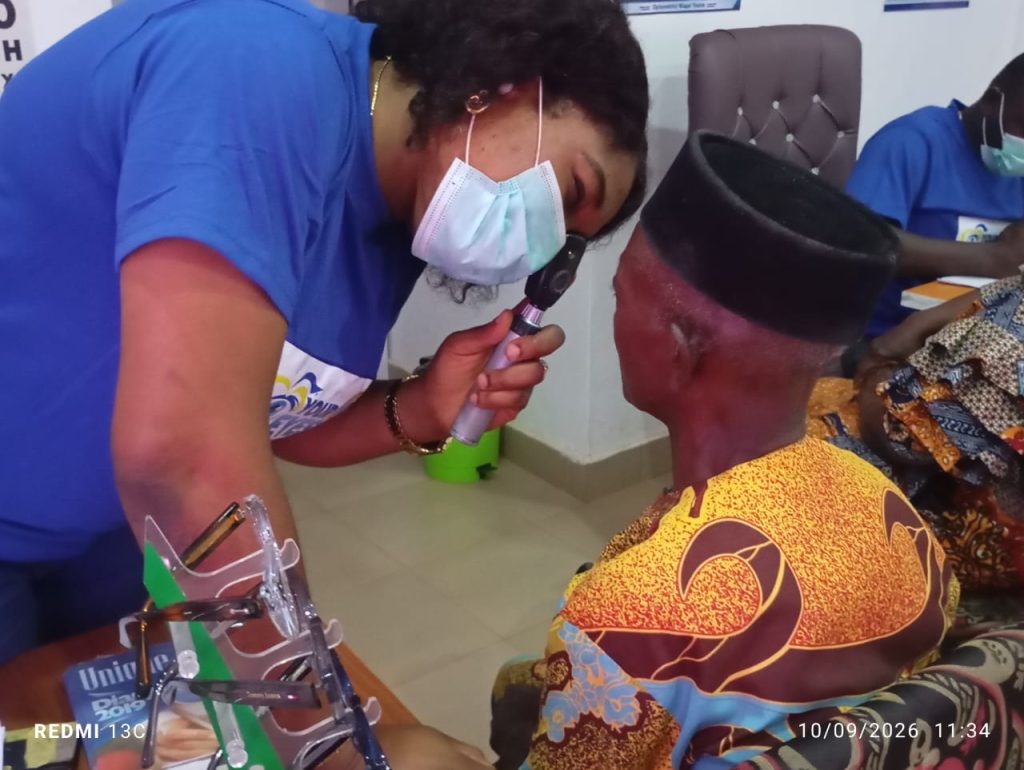
On health, the organisation said girls living with HIV were supported to remain on treatment, while those who were HIV-negative learned skills to prevent infection and make informed decisions.
It said the provision of free menstrual health products, extended to surrounding communities, addressed a basic need that often costs girls their dignity and school attendance.
The organisation added that the programme also teaches girls how to make and care for reusable pads, ensuring that access does not depend solely on supply.
On education and livelihoods, AHF said the programme recognised that not every girl was in school and did not abandon those who were out of school.
It said girls who wanted to return to school were supported to do so, while those who had dropped out were trained in life skills and helped to establish businesses.
On leadership, the organisation said Girls Act created opportunities for girls to aspire and lead through mentorship, advocacy and access to resources.
“Girls are turning up empowered, able to negotiate safe sex and exercise bodily autonomy.
“Negotiating safe sex is the difference between exposure and protection, and bodily autonomy is not a slogan but a public health asset.”
AHF called on federal and state governments to adopt and fund the Girls Act model, integrating it into national and state plans for HIV, education and youth development.
“This means dedicated budget lines for menstrual health, so no girl misses school for want of a sanitary pad; skills training and start-up support that reach out-of-school girls where they live; support for girls to return to, and stay in, school; leadership platforms for girls in schools and communities; and clear pathways linking young people to HIV testing, treatment and care,” the advocacy group said.
The group also called on stakeholders in the HIV response to recognise their critical roles in addressing the challenges facing girls and young women.
“Some will say the country has more pressing priorities. They should weigh the cost of inaction: new infections among young people, lifelong treatment, interrupted schooling and lost productivity.
“Prevention that also builds livelihoods and leadership is among the smartest investments a government can make.
“Our girls have shown what is possible when someone invests in them. They have earned the right to be treated as a key population in the national response, not as an afterthought.”
-

 General News2 weeks ago
Rivers 2027: We are not part of Rainbow Coalition – APC Legacy Group slams Wike, Fubara meeting
-
General News1 month ago
JOHESU demands: MHWUN puts FG on notice over fresh action
-

 Politics1 month ago
2027: ASAF backs APC governors, rejects rainbow coalition
-

 Politics2 months ago
You have demonstrated diligence, loyalty, statesmanship in leadership, Ekechi salutes Shetimma at 60
-

 Politics2 months ago
2027: Advertising experts raise concerns over irregular regulation of sector
-
FCT News2 months ago
2027: Hasana-Moneme pledges skills, empowerment, credit access for FCT women
-
General News3 months ago
2027: Dame Princess Esom-Nwafor Orizu confirmed as APC flagbearer for Nnewi North /South /Ekwusigo Federal Constituency as INEC releases names of candidates
-
Uncategorized3 months ago
Rescue of Oyo schoolchilden: Tinubu commends security agencies, says action breakthrough in fight against criminality