
Business and Economy
Minister of Power commissions new transmission substation, six transformer projects in Kano, Katsina

By Chidera Orji
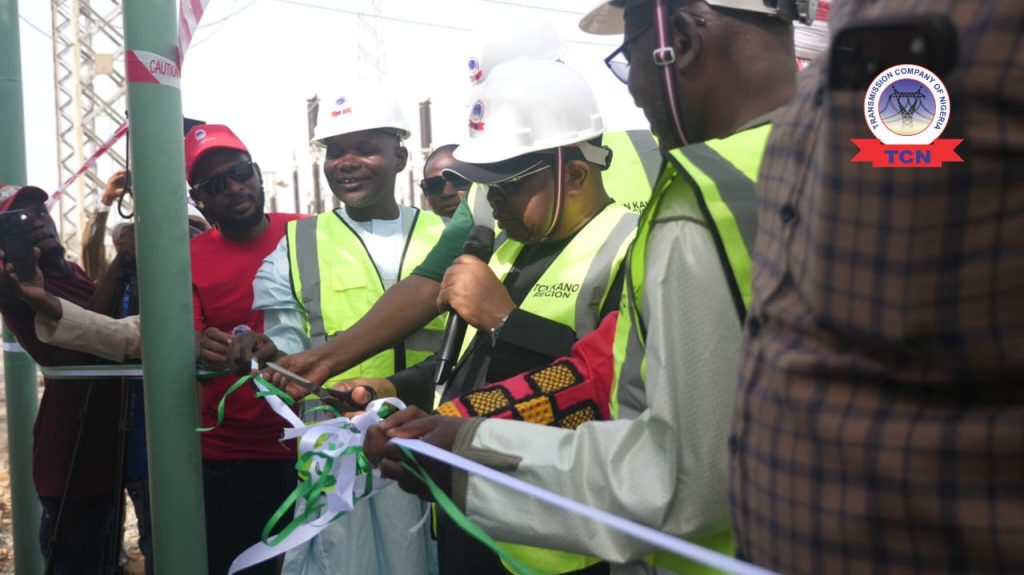
In the drive to boost power supply in the country especially in Kano and Katsina states and their environs, the Minister of Power, Engr. Joseph Olasukanmi Tegbe, has commissioned five transmission substation projects in Kano and Katsina States.
The Minister also used the opportunity and inspected the ongoing GIS substation in Katsina.
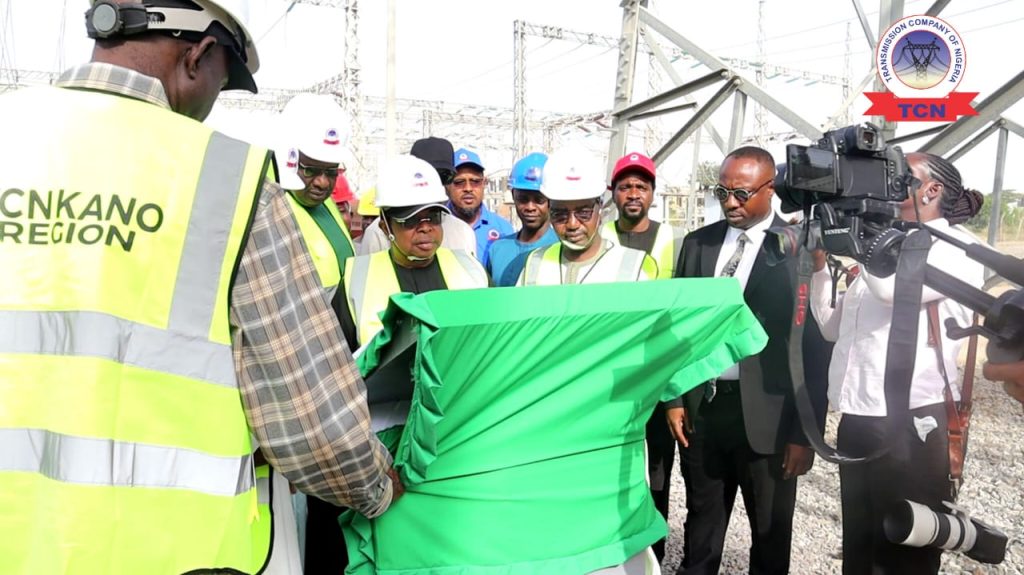
The events which were held on Thursday, 22nd and Friday, 23rd October, 2026 respectively in Kano and Katsina states, saw the commissioned projects adding a total of 240MW at 330kV level and 376MW at the 132kV level to the nation’s transmission network, thereby boosting bulk power supply in the North Eastern axis.
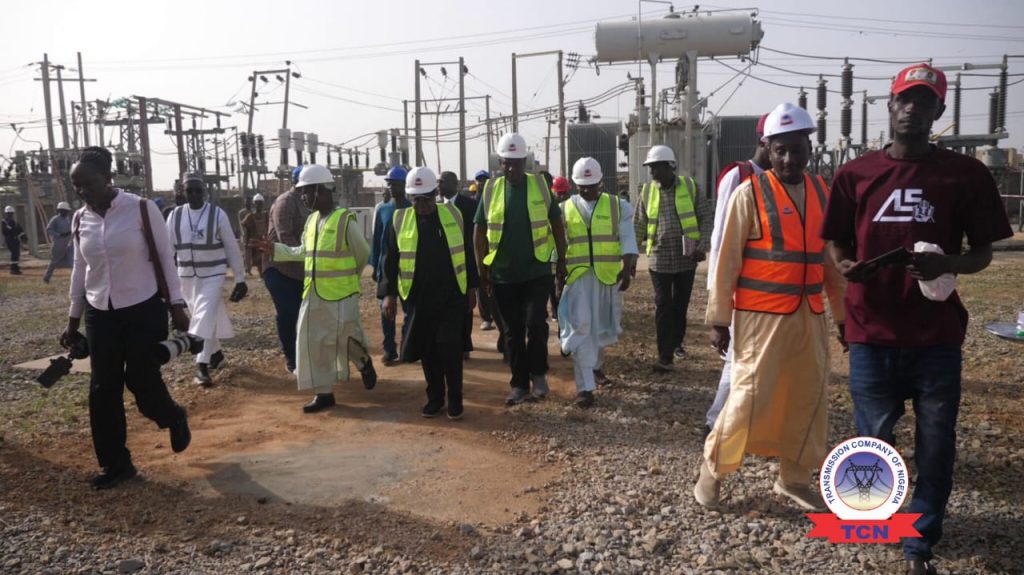
In Katsina State, the Minister commissioned two 60MVA power transformers at the Kankia Transmission Substation, increasing its installed capacity by 150 per cent, performed the groundbreaking ceremony for a new 120MVA transmission substation comprising two 60MVA transformers, and also inspected ongoing works at the new 200MVA GIS substation at the 330kV Katsina Substation.
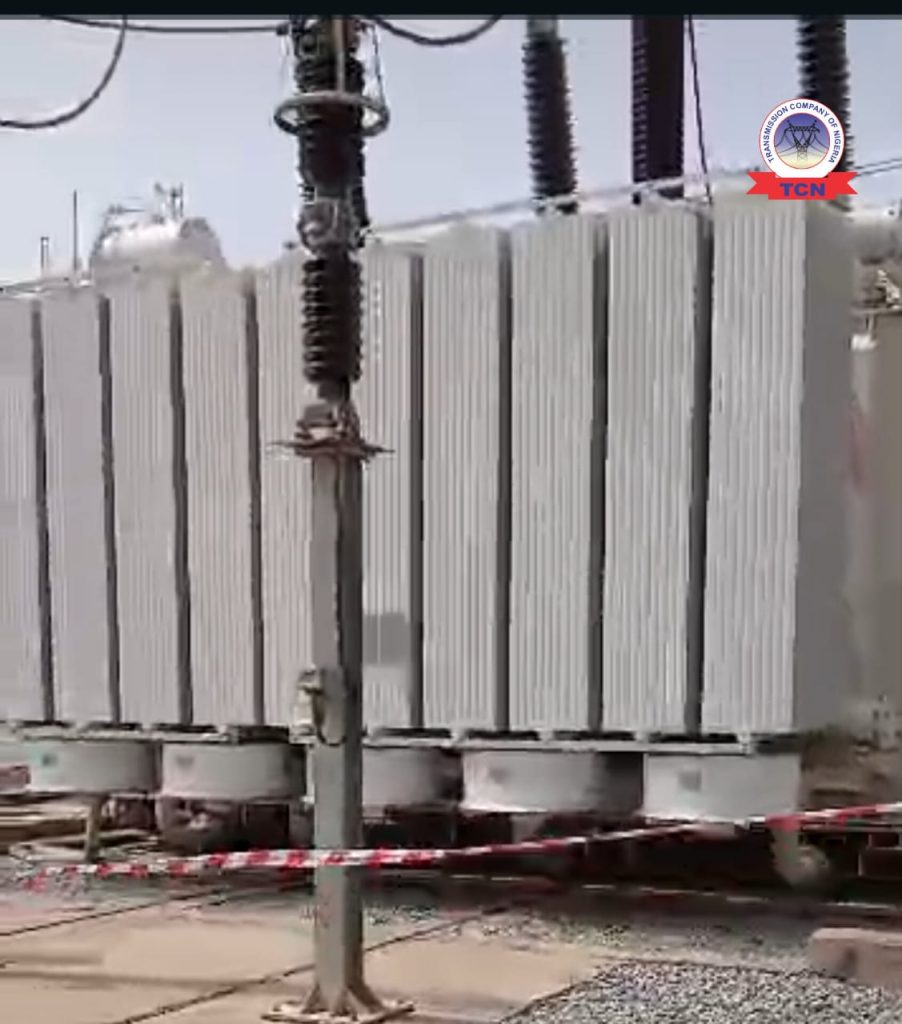
Speaking during the projects commissioning at Kankia Substation, Tegbe said the installation of the two 60MVA, power transformers increased the substation’s installed capacity from 60MVA to 150MVA, equivalent to 120MW substations capacity, noting that the projects are a testament to President Bola Tinubu’s Renewed Hope Agenda and the determination to reset the power sector as a foundation for national development.
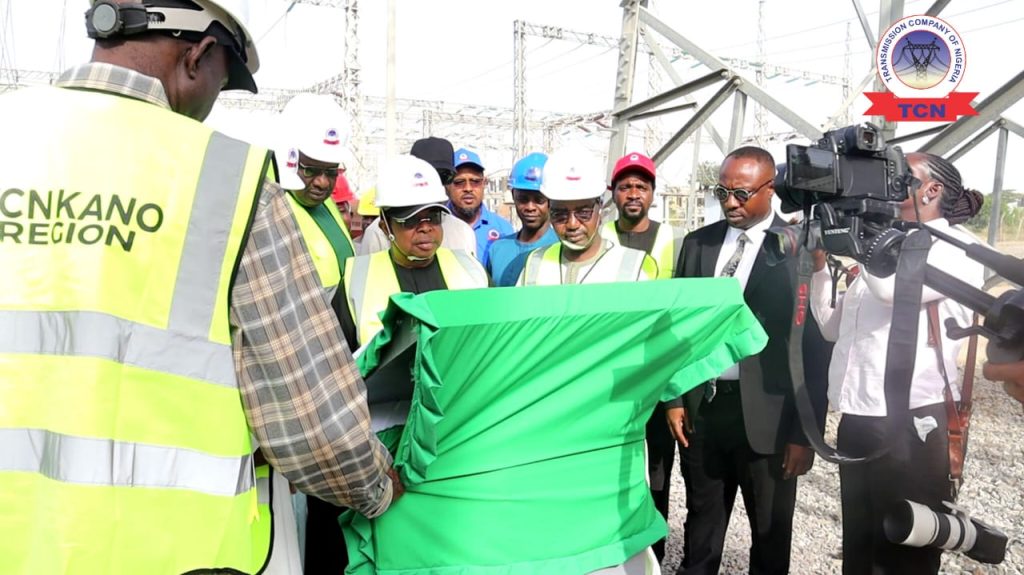
While performing the groundbreaking ceremony for the 120MVA transmission substation, at Mashi the Minister noted that upon completion, the project will provide additional 120MVA, equivalent to 96MW, to strengthen supply to Mashi and neighbouring communities.
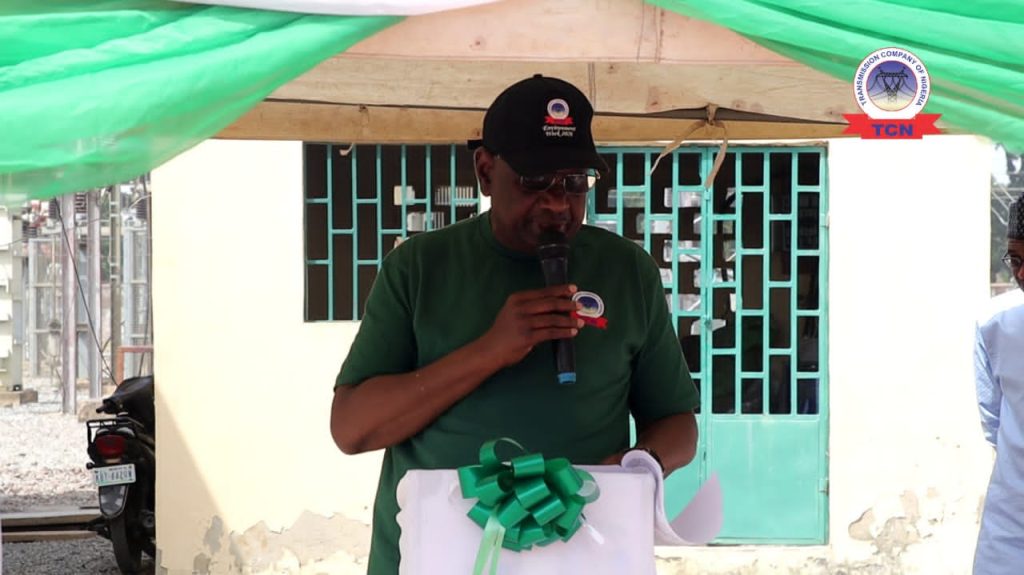
Tegbe noted that issues associated with wayleave and compensation for Project Affected Persons (PAPs) have been resolved, adding that the groundbreaking signifies the official commencement of construction works.
“Today, we break ground in Mashi with a clear purpose, which is to build electricity infrastructure that supports livelihoods and gives this community greater room to grow,” he said.
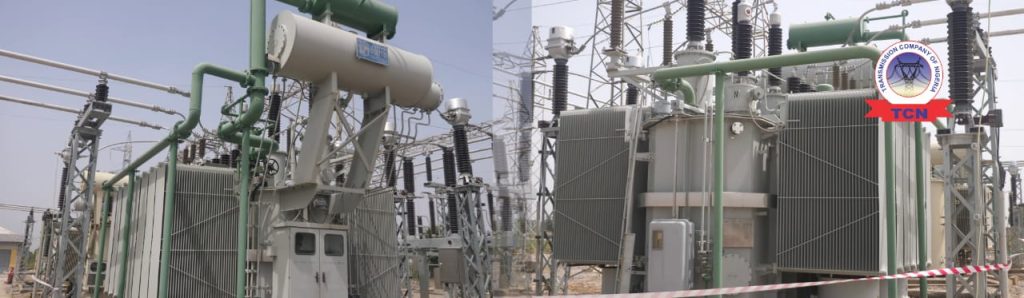
While acknowledging the World Bank for projects funding, the minister noted that the Katsina projects were delivered by the Federal Government of Nigeria, through the Federal Ministry of Power and Transmission Company of Nigeria, with the aim of strengthening electricity transmission infrastructure and improving bulk power supply across Katsina State.
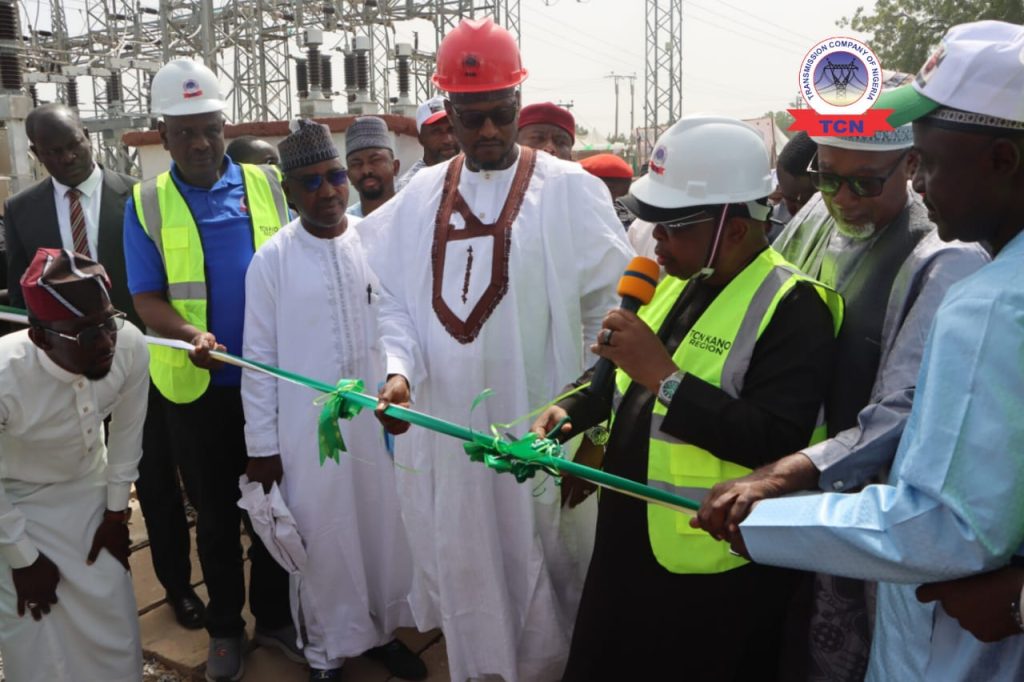
Speaking, during the projects commissioning, the MDCEO, TCN Engr. Sule Abdulaziz, said that the new projects added new capacities to the transmission network while addressing capacity limitations, noting that the works also involved modernization of the control room to digital control and protection panels, expansion of the 33kV busbar and installation of additional outgoing feeders.
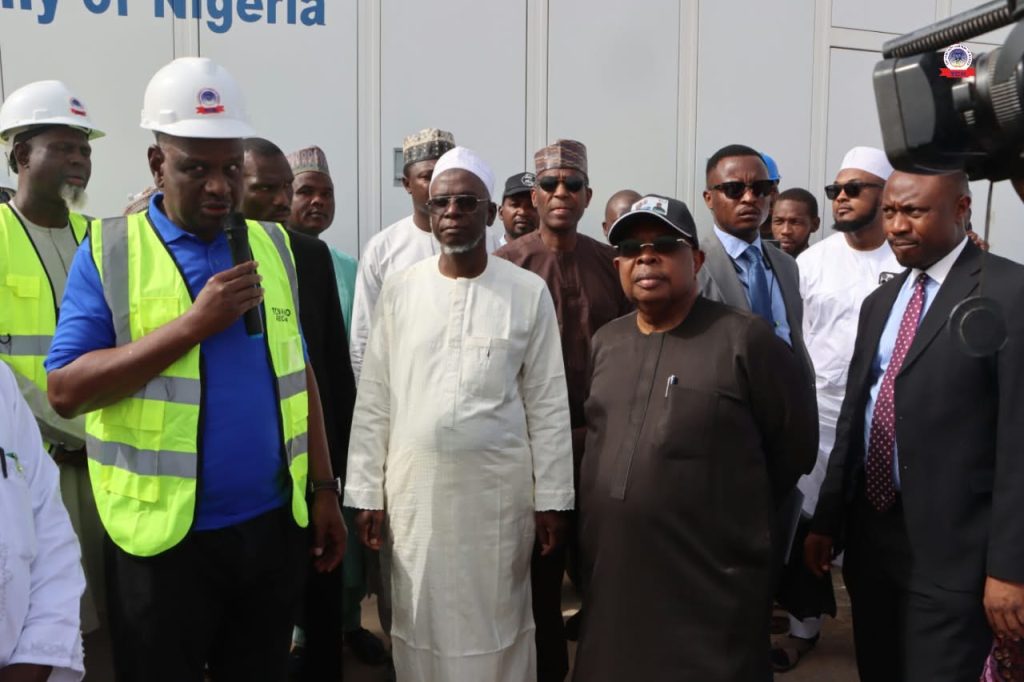
The 96MW Mashi project he said, will further “strengthen bulk power delivery to Mashi and neighboring communities, improve voltage performance, and provide room to accommodate future growth in electricity demand.
Abdulaziz noted that as the Transmission Service Provider, TCN remains committed to developing and maintaining the transmission infrastructure required to convey bulk electricity to distribution companies for onward delivery to consumers. “We will continue to work with NISO, KEDCO and other stakeholders to ensure a more reliable and efficient electricity supply chain”, he added.
Earlier in Kano State, on Thursday, 22nd October, 2026, Engr. Tegbe commissioned the new Walalambe, Transmission Substation comprising two units of 40MVA, transformers. At Kumbotso Transmission Substation, new 300MVA and 100MVA, power transformers were commissioned by the honorable minister, while one number 100MVA, power transformers were commissioned in Dakata Substation as well as in Dan Agundi Transmission Substation respectively.
According to him, the task before the Ministry of Power is to provide infrastructure that allows enterprise to flourish. “With these projects just inaugurated, the Federal Government has opened a new route for bulk electricity to reach the industrial and commercial corridors where investment, production and employment depend on it. This is significant for the communities and for the wider Kano electricity network as it creates a new supply point and relieves pressure on existing facilities,” he said.
The Minister also highlighted the provision of a dedicated 33kV feeder to Lee Group of Companies, which had operated off-grid for more than 30 years. He said connecting the company to the national grid demonstrated the importance of transmission infrastructure in supporting industrial development.
He disclosed that he had directed the Ministry to prioritise the development of three energy zones to promote balanced electricity supply across the country, and pledged to work with the Kano State Government and relevant power sector stakeholders to harmonise interventions and avoid duplication.
He commended Transmission Company of Nigeria and the World Bank for their contributions and appealed to host communities to protect the facilities from vandalism. In his words, “Please help us protect this infrastructure and ensure our vigilance is stronger than ever, to fight the challenge of infrastructure vandalism across the country,” he said.
Tegbe noted that the Kano projects has further strengthened bulk electricity supply to Kano’s industrial, commercial and residential areas by relieving overloaded substations and creating room to meet previously suppressed demand. The present administration, he said is undertaking several power projects to boost electricity supply to ensure that every Nigerian has access to electricity and assured that the government will continue to do all that is required to make this possible.
The Managing Director of TCN, Engr. Sule Ahmed Abdulaziz, said the projects commissioned, reflect the company’s commitment to further expanding the nation’s transmission network and noted that similar completed and ongoing projects are distributed nationwide.
In his words, “Across the six geopolitical zones, TCN will continue to pursue the expansion of transmission infrastructure, the rehabilitation of existing facilities and the modernization of critical equipment. These efforts are directed at strengthening the national transmission network and supporting the Federal Government’s power sector development objectives under the Renewed Hope Agenda,” he said. He appealed to communities to protect national assets, respect transmission Right-of-Way corridors and report suspicious activities.

By Chidera Orji
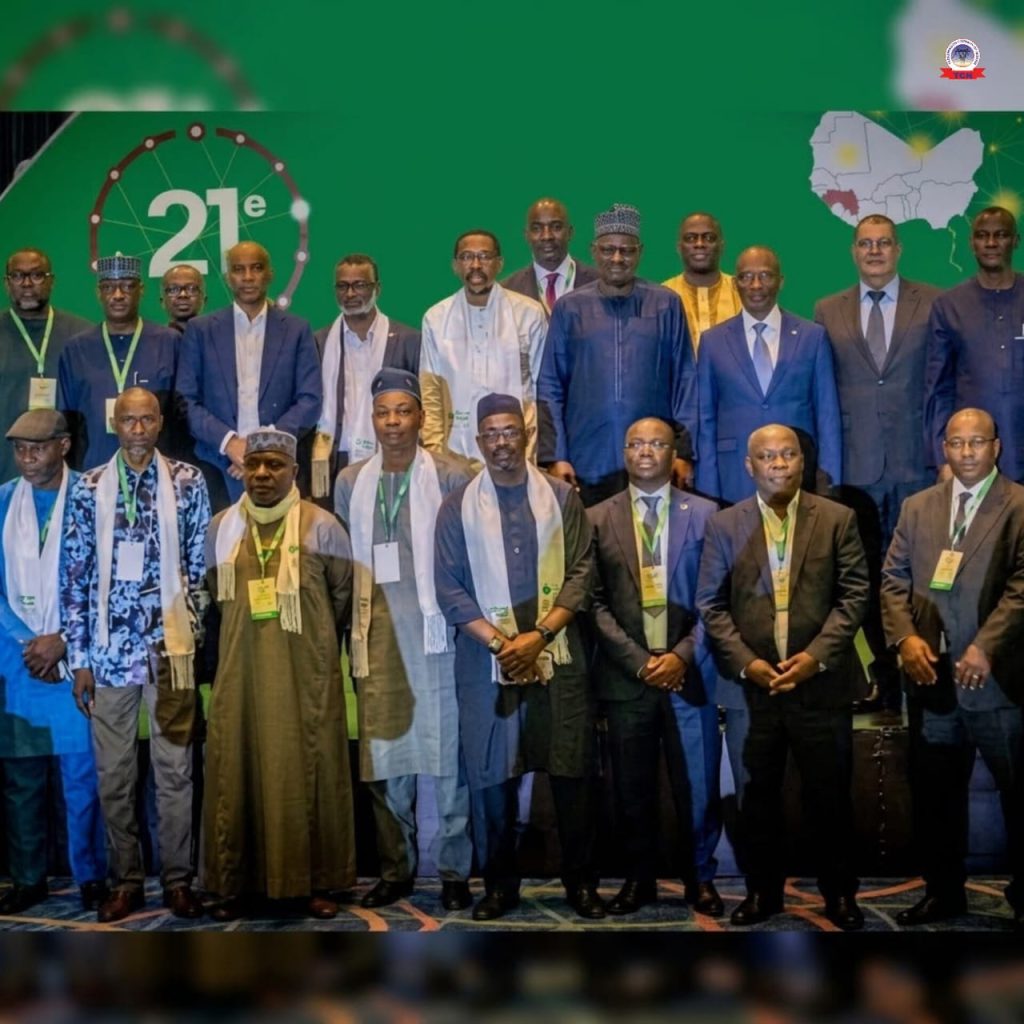
The Chairman of the Conseil International des Grands Reseaux Electriques (CIGRE) West Africa National Committee, Engr. Sule Ahmed Abdulaziz, has highlighted several significant achievements recorded by the Committee since its last General Assembly held in Lomé on 24th January 2026.
He attributed the progress to the collective commitment and active contributions of members towards building a stronger, more integrated and technically advanced regional power system.
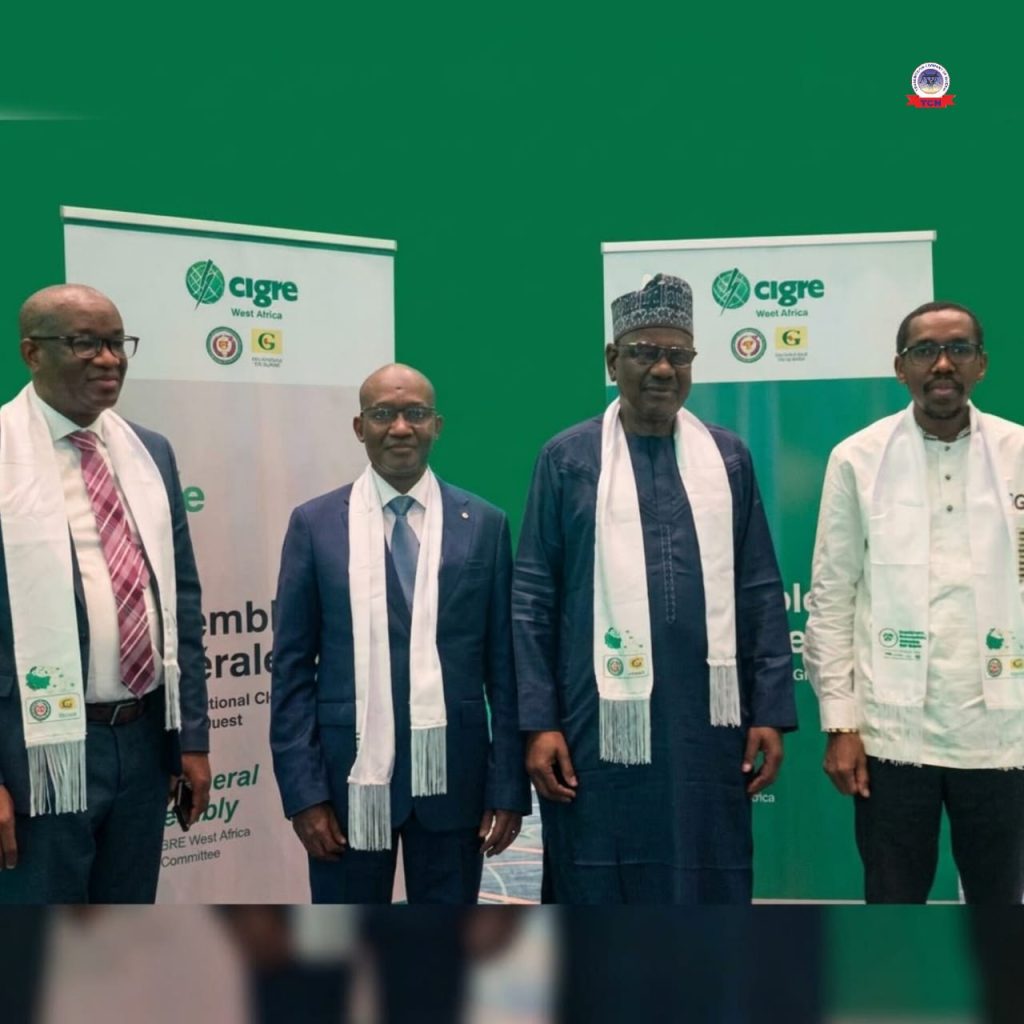
Speaking at the 7th Session of the General Assembly of the CIGRE West Africa National Committee in Conakry on 7th November 2026, Engr. Abdulaziz identified the hosting of CIGRE Training Sessions and Study Committee meetings in Dakar in March 2026 as part of the Committee’s major accomplishments.
Another notable achievement, according to a press statement from TCN, was the Committee’s joint project with VRA Academy and NAPTIN, which secured a grant of €88,700 from the CIGRE Fund for Innovation and Education. The project is designed to equip young women with skills in solar energy and mini-grid technologies. According to the Chairman, the initiative represents a strategic investment in human capital development and the future of the regional power sector.
Engr. Abdulaziz stated that these achievements were particularly significant as West Africa advances towards the second phase of the Regional Electricity Market, which seeks to establish an organised and competitive electricity market through the integration of national power systems into a unified regional grid operating at a common frequency.
He, however, observed that the regional power system remains weakly interconnected, with limited reserve capacity. He therefore emphasised that capacity building must be regarded not merely as a technical requirement but as a strategic investment in system security, improved utility performance and the overall success of the Regional Electricity Market.
On the sustainability of the Committee’s activities, the Chairman recalled the resolutions reached at the Lomé General Assembly on the establishment of a pooled funding mechanism and a minimum annual operating budget of €213,940. He urged members to take the necessary steps to implement the resolutions to ensure sustainable financing and continuity of the Committee’s programmes and activities.
Earlier, in his welcome address, the Secretary General of the CIGRE West Africa National Committee, Mr. Abdoulaye DIA described CIGRE, established in 1921, as the world’s leading global platform for knowledge exchange and technical collaboration in power systems. He noted that the organisation has National Committees in over 90 countries and a membership of more than 15,000 professionals worldwide.
He explained that the West Africa National Committee, officially recognised by CIGRE International in August 2020, provides member utilities and industry professionals with access to CIGRE’s extensive knowledge network, technical publications and the work of its 16 Study Committees.
DIA encouraged delegates to participate actively in the General Assembly’s deliberations, stressing the importance of strengthening the Committee as a platform for professional development, technical knowledge sharing and the advancement of regional expertise, all of which are essential to the successful development of the Regional Electricity Market.
Established in 2019 by electricity companies affiliated with the West African Power Pool (WAPP), the CIGRE West Africa National Committee was officially recognised by CIGRE International in August 2020. Its mandate is to promote knowledge sharing, strengthen technical capacity and showcase West African expertise in power systems.
Its recognition as a regional National Committee also provides members with important benefits, including representation and voting rights within CIGRE, opportunities to nominate experts to technical committees, access to technical documents and publications, as well as opportunities to participate in calls for papers and access relevant funding opportunities.
The CIGRE Committe brought together power sector experts from across the region and beyond to exchange knowledge, share experiences and strengthen professional networks.

By Onyema Ohaegbu
What if purchasing data ceased to be a straightforward commercial transaction and became an experience in which certainty meets pleasant surprise, guaranteed value encounters unexpected generosity, and connectivity yields more than the customer originally bargained for? What if every subscription carried within it the possibility of an additional reward, transforming the familiar business of buying data into an invitation to enjoy more, achieve more and experience more?
This is the refreshing proposition behind Globacom’s Magic Data Bundles, an innovative offering that is redefining the conversation around affordability, customer value and digital inclusion in Nigeria’s telecommunications landscape.
At a time when data has become the indispensable currency of contemporary civilisation, powering conversations, commerce, education, entertainment, healthcare, governance and virtually every expression of human enterprise, the importance of affordable and dependable internet access cannot be overstated. Data is no longer merely a technological commodity; it is the invisible infrastructure upon which modern society conducts its business, exchanges knowledge, creates opportunities and sustains relationships.
Globacom’s Magic Bundles recognise this changing reality and respond with a proposition whose central philosophy is beautifully uncomplicated: customers should receive what they pay for, and enjoy something extra.
The ingenuity of the offering resides in its distinctive two-component architecture: a guaranteed main data allocation, complemented by an additional Magic Bonus, automatically credited following a successful subscription.
Available at two accessible price points, ₦1,600 and ₦3,500, the proposition introduces an appealing dimension of reward into the customer’s data experience.
At ₦1,600, subscribers receive a guaranteed 2.5GB main data allocation, alongside a Magic Bonus ranging from 500MB to 7.5GB, bringing the potential total allocation to between 3GB and 10GB. At ₦3,500, customers are assured of 8GB, with an additional bonus ranging from 1GB to 12GB, potentially raising their total data entitlement to between 9GB and 20GB.
Herein lies the magic: the guaranteed allocation remains sacrosanct, while the additional reward introduces an element of delightful anticipation. The bonus is automatically assigned by Globacom’s system, meaning that customers may receive different additional allocations on different subscriptions. The maximum reward is not guaranteed, but an additional bonus accompanies every qualifying purchase.
It is an ingenious marriage of commercial assurance and rewarding spontaneity.
Beyond the attractive numbers, the strategic significance of Magic Bundles becomes even more compelling when examined against the diverse demands of Nigeria’s increasingly data-dependent population.
For entrepreneurs, small businesses, retailers and corporate organisations, data is the oxygen of commercial productivity. It facilitates digital marketing, electronic payments, customer engagement, virtual meetings, inventory management and the expanding universe of online commerce.
Additional data can translate into more opportunities to transact, communicate and serve customers without immediately returning to the marketplace for another subscription.
For students, researchers, lecturers and educational institutions, connectivity is a gateway to intellectual discovery. Online libraries, virtual classrooms, academic journals, educational videos and collaborative learning platforms have made internet access indispensable to contemporary education. More data means greater latitude to explore knowledge and participate in the expanding global classroom.
In healthcare, connectivity strengthens the possibilities of teleconsultation, medical research, professional collaboration, digital health records and public-health communication. Government institutions equally depend on data for administrative efficiency, citizen engagement, electronic services, policy communication and the expanding architecture of digital governance.
Within Nigerian homes, the benefits assume an altogether intimate character. Parents connect with children, families maintain relationships across geographical distances, young people explore opportunities, and households access entertainment, information and digital services.
From video streaming and social networking to online banking and professional development, Magic Bundles offer additional breathing space for everyday digital living.
Another attractive dimension is the flexibility of the proposition. Customers can purchase through the Glo Café application or by dialling *312#. The bundles are also shareable and giftable, subject to applicable conditions, while rollover provisions apply under Globacom’s prevailing policies.
Customers can monitor their main and bonus balances through Glo Café, the web self-service platform or *323#.
Viewed against competing industry propositions, Glo’s offering deserves particular attention.
Other operators provide daily, weekly and monthly subscriptions, promotional bonuses and specialised data packages. However, Magic Bundles distinguish themselves through the deliberate combination of a guaranteed allocation and an automatically awarded additional data reward within one subscription proposition.
This differentiation, rather than any sweeping dismissal of competitors’ offerings, constitutes the product’s strongest competitive argument.
The television commercial currently running on Arise TV provides an important communications platform for this proposition. Its significance extends beyond announcing another data package.
It places the product within a broader conversation about value, aspiration and the changing expectations of Nigerian telecommunications consumers. Arise TV’s national visibility and business-oriented audience offer a useful environment for communicating the proposition to decision-makers, professionals, entrepreneurs and ordinary subscribers alike.
Ultimately, Glo Magic Bundles embodies an attractive commercial philosophy: connectivity should empower, affordability should deliver substance, and customer loyalty should encounter tangible rewards.
In an industry where operators compete for attention, subscription and market share, Globacom is making a persuasive statement by placing additional customer value at the centre of its proposition.
It is a philosophy that resonates naturally with the company’s overarching campaign declaration, Never Settle for Less. Indeed, why should customers settle for the ordinary when their subscriptions can deliver something extra?
With Magic Bundles, Globacom is inviting Nigerians to experience data differently: not simply as megabytes purchased, but as opportunities multiplied, possibilities enlarged and everyday digital experiences enriched.
Because when connectivity comes with a little more magic, the possibilities become considerably greater.
Pastor Onyema Ohaegbu, Telecoms Enthusiast, writes in from Abuja
By Our Reporter
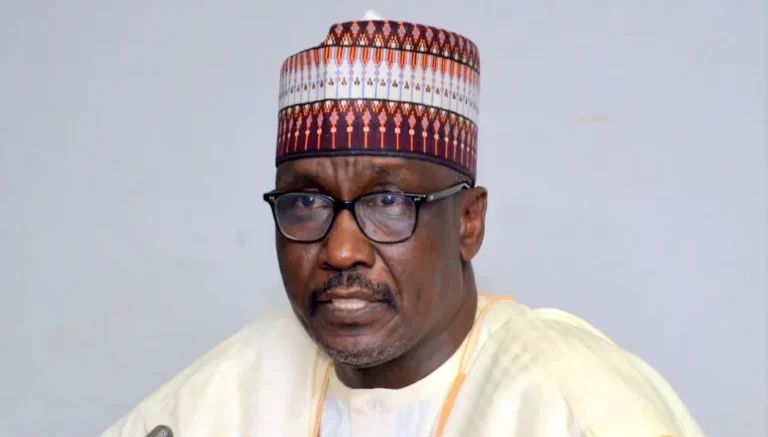
The former Group Managing Director of the Nigerian National Petroleum Company Limited (NNPCL), Mele Kyari, has dismissed allegations of ₦210 trillion in unaccounted funds raised by the Senate, insisting that no money was lost under his watch.
Kyari said the allegations relating to the company’s financial records between 2017 and 2023 were based on misconstrued entries and accounting issues.
He spoke on Tuesday when he appeared before the Senate Committee on Public Accounts, which is investigating queries raised by the Office of the Auditor-General of the Federation over NNPCL’s financial records during the period.
Explaining the issues, Kyari said the company had made efforts to implement decisions of the National Assembly, resulting in sustained investments and the development of the downstream sector for the benefit of the country.
“I am very proud that we have served this company in the best way possible. I remain loyal to this country and have done nothing deliberately wrong,” he said.
READ ALSO: Senate donates N100m to Nigeria’s U-17 women’s team, Flamingos
On payments made to the Federal Inland Revenue Service (FIRS), Kyari explained that they were for registration purposes, describing the discrepancies as entry issues. He also said the ₦2.9 billion in question represented statutory payments.
Addressing the allegation that ₦5 billion was spent on renaming the NNPCL, the former GMD said the company’s name change was effected by the National Assembly, insisting that no money was paid for the exercise.
Kyari subsequently presented his report to the committee.
In his response, the committee chairman said 23 issues had been raised before the panel, with only one or two relating to the former NNPCL chief.
He said the report would be circulated among committee members for examination, adding that the panel could invite those concerned, as well as the Auditor-General of the Federation, for further clarification if necessary.
“We accept your apologies for not appearing at the previous sittings, and we will look at the figures,” the chairman said.
Kyari was subsequently discharged by the committee pending the conclusion of its investigation.
The Senate Committee on Public Accounts began investigating the disputed figures in June 2025 after discrepancies were identified in NNPCL’s audited financial statements covering 2017 to 2023.
The figures comprise ₦103 trillion recorded as accrued expenses and ₦107 trillion listed as sundry receivables. The committee has repeatedly rejected the explanations provided by the company, insisting that the entries must be properly accounted for.
In March 2026, the panel summoned Kyari and other former officials to explain the figures. It later ordered Kyari’s arrest in June after he failed to appear before it. However, former NNPCL officials have denied that the money went missing, arguing that the ₦210 trillion figure arose from a misinterpretation of the company’s financial records.
-

 General News1 month ago
Rivers 2027: We are not part of Rainbow Coalition – APC Legacy Group slams Wike, Fubara meeting
-

 Politics2 months ago
2027: ASAF backs APC governors, rejects rainbow coalition
-
General News2 months ago
JOHESU demands: MHWUN puts FG on notice over fresh action
-

 Politics2 months ago
You have demonstrated diligence, loyalty, statesmanship in leadership, Ekechi salutes Shetimma at 60
-

 Politics3 months ago
2027: Advertising experts raise concerns over irregular regulation of sector
-
FCT News3 months ago
2027: Hasana-Moneme pledges skills, empowerment, credit access for FCT women
-
General News4 months ago
2027: Dame Princess Esom-Nwafor Orizu confirmed as APC flagbearer for Nnewi North /South /Ekwusigo Federal Constituency as INEC releases names of candidates
-
General News1 month ago
Senator Mandiya slipped, died in Abuja bathroom, corpse discovered after 3 days, says Sen Ningi