
Business and Economy
At WAPP Assembly, Guinea Prime Minister calls for regional electricity complementarity over isolation

By Chidera Orji
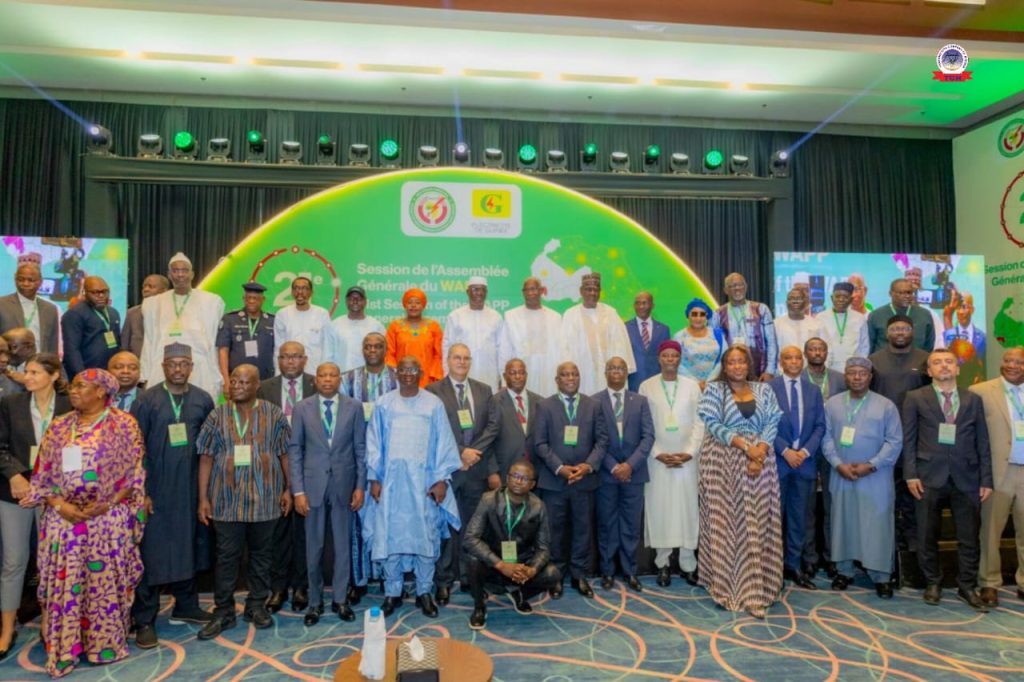
The Prime Minister and Head of Government of Guinea, Amadou Oury Bah has tasked the WAPP member states on the need to prioritise regional electricity complementarity over national isolation, as he opened the 21st session of the West African Power Pool General Assembly in Conakry on 6 and 7 November 2026, on behalf of the country’s President, Mamadi Doumbouya.
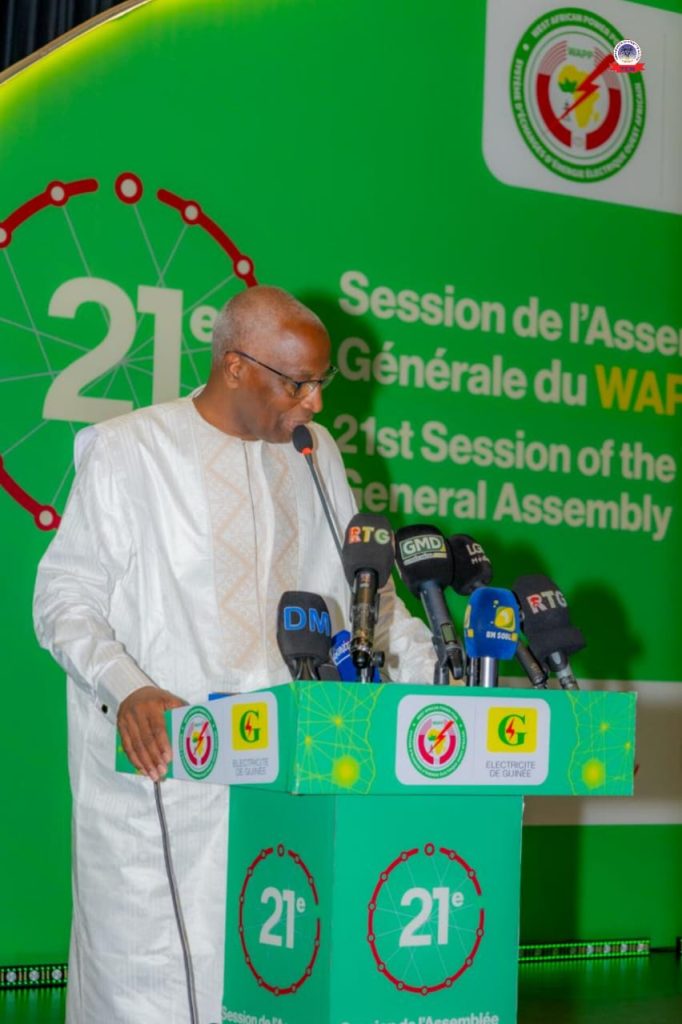
In his official opening address, the Prime Minister, while extending the President’s greetings to all participants, called on Member States to build a true West African energy community based on shared standards and performance.
The Prime Minister described energy as the foundation of a nation, a matter of sovereignty, competitiveness, social progress and stability, and pointed to the historic interconnection of the fifteen countries of the sub-region as proof of what collective action can achieve.
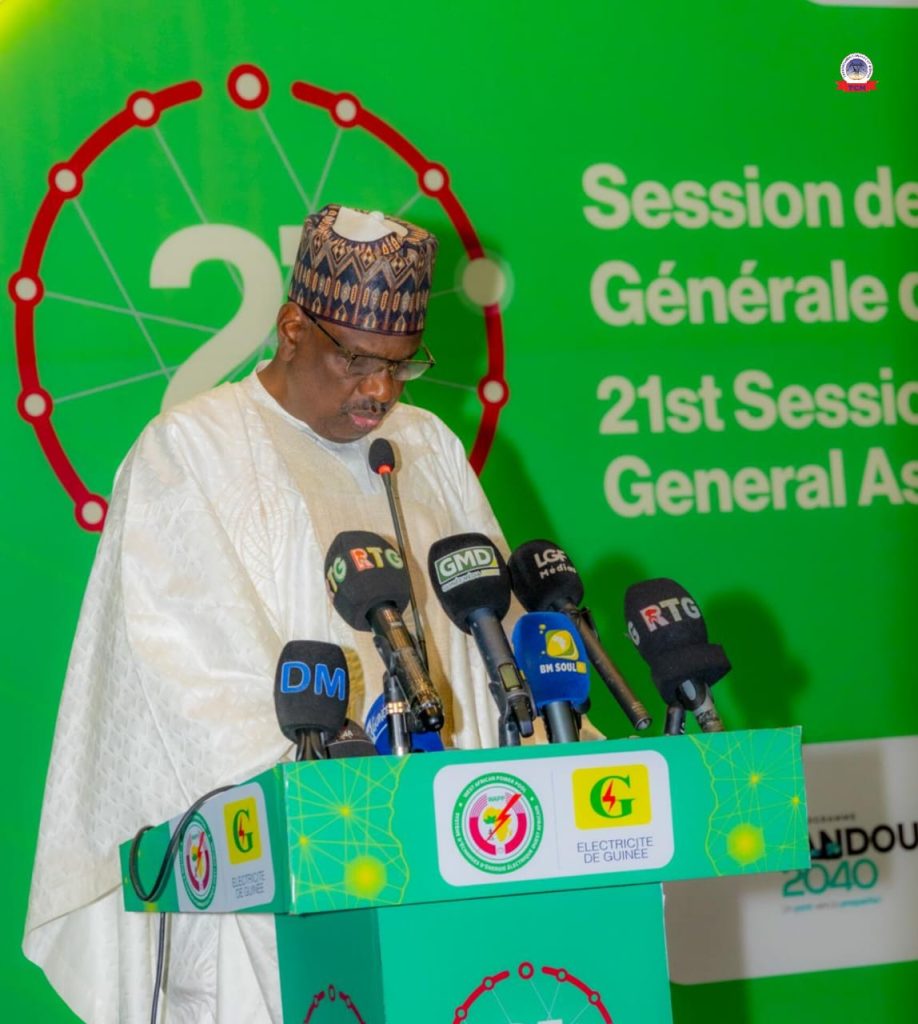
He reaffirmed Guinea’s commitment to regional integration and set out Guinea’s energy ambition. He cited the strategic importance of the Kaleta and Souapiti hydropower dams, and future projects including Koukoutamba, Sambangou and Amaria, positioning Guinea to become a regional electricity lung able to supply the sub-region and anchor West African energy solidarity.
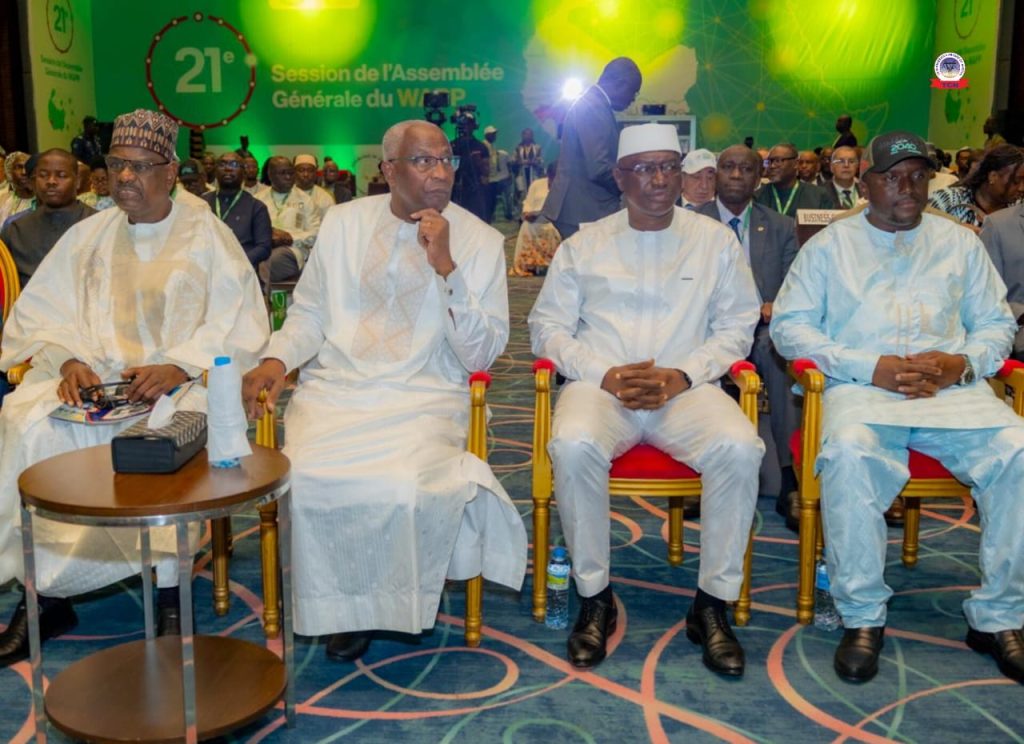
“The Republic of Guinea, under the leadership of His Excellency the President of the Republic, reaffirms its readiness to support this collective ambition and to contribute actively to the development of a more integrated, efficient, and united West African energy space,” he said.
Addressing the Assembly, the Minister of Energy, Laye Sékou Camara, said the 21st session must be a stage of decision and confidence, giving clear guidelines, consolidating governance and transforming commitments into tangible results. He stressed that the vitality of WAPP depends on the discipline of its members, including compliance with commitments and the regular settlement of statutory contributions, which he described as the foundations of its autonomy, credibility and effectiveness.
He said the strengthening of national access and regional exchanges complement each other rather than oppose each other and noted that installed capacity should not be confused with capability or with the ability to transport it to the consumer, and described interconnection as mutual insurance between States, recalling that Guinea itself benefited from Senegal’s energy support after the fire at the Coronthie depot in December 2023.
He linked the regional ambition to Guinea’s Simandou 2040 programme and the objective of universal access to electricity, and called for credible liquidity support mechanisms, respected common rules, strengthened institutional capacities and greater participation of women in the sector’s professions and decisions.
Also speaking at the occassion, the Chairman of the WAPP Executive Board, Engr. Sule Ahmed Abdulaziz, informed that the second phase of the regional electricity market, will be launched in early 2027. This, he noted will introduce competition through a day-ahead market, where the price of electricity traded between countries will be determined by supply and demand within an organised, transparent and non-discriminatory framework. “This is not merely a technical development, it represents a fundamental step forward,” he said, noting that two decades of investment in transmission lines, common rules and institutions must now translate into a market that works in practice.
According to him, the transition will require market discipline, with rules understood and applied by all, reliable data exchanged in real time, rigorous metering, trustworthy settlement arrangements, and congestion and risk management commensurate with traded volumes.
Abdulaziz stated that the ongoing institutional reform will establish an independent system and market operator, separating system operation from market operation to ensure fairness in decision-making and shield the process from undue external influence. He stressed that the transition must be managed methodically, without disruption and without weakening the operational continuity ensured by the Information and Coordination Centre.
He added that no market can thrive without trust, and trust rests on the financial security of transactions, which is the purpose of the Liquidity Enhancement Revolving Fund currently under study and structuring. “Statutory contributions are not an administrative formality; they are the foundation of our autonomy and our capacity to act,” he said, calling on chief executives to treat payment as a personal priority.
Speaking earlier, the Secretary General of WAPP, Mr. Abdoulaye Dia, highlighted the synchronisation of the electricity networks of the fifteen West African countries as a major milestone, after they successfully achieved four hours and five minutes of synchronisation on 8 November 2025. He said the test scheduled for November 2026, targeting forty-eight hours of synchronisation, is intended to consolidate that performance and prepare the conditions for permanent synchronisation.
DIA noted that member states and electricity companies face growing expectations on quality of service, security of supply, competitiveness and access to electricity. In that context, WAPP has a particular responsibility “to make interconnection an operational cooperation, a sustainable, structured and credible reality, so that electricity becomes a real lever for economic and social transformation at the regional level.” He also pointed to progress on the regional tariff framework, consolidated by decisions adopted in 2026 by the ECOWAS Regional Electricity Regulatory Authority, including the transmission tariff methodology, the tariff calculation procedure and the market fee.
According to him, the session is being held under the theme “Consolidating the regional electricity market as a lever of transformation and resilience for West Africa,” as the regional electricity market is key to helping West Africa overcome several challenges connected to power availability. He thanked Guinea specifically, for its central role in sub-regional energy cooperation.
While welcoming the delegate to the convocation, the Director General of the Director General of Electricité de Guinée (EDG), El Hadji Gando Barry, highlighted WAPP members’ shared responsibility to provide reliable, accessible, and sustainable electricity. He stressed that regional integration helps leverage resource complementarities and strengthens solidarity between national systems.
At the end of the session, seventeen (17) Transmission System Operators from the Pool, signed the Inter-grid Operators Agreement to enable operations through the grid.
The 21st session of the General Assembly of the West African Power Pool (WAPP) was held in Conakry, Guinea, bringing together Energy Ministers, utility CEOs, and international partners from the 15 ECOWAS member states. The meeting celebrated the significant progress made in regional energy integration, moving from bilateral contracts to a fully functional, interconnected regional electricity market. The forum discussed the near-completion of network synchronisation across all 15 countries, the upcoming launch of the Day-Ahead and bilateral spot markets in early 2027, and the finalisation of the institutional framework for the market’s operation. The assembly underscored that regional integration is no longer an ambition but a practical reality essential for economic development, with Guinea positioning itself as a central energy hub.

By Our Reporter
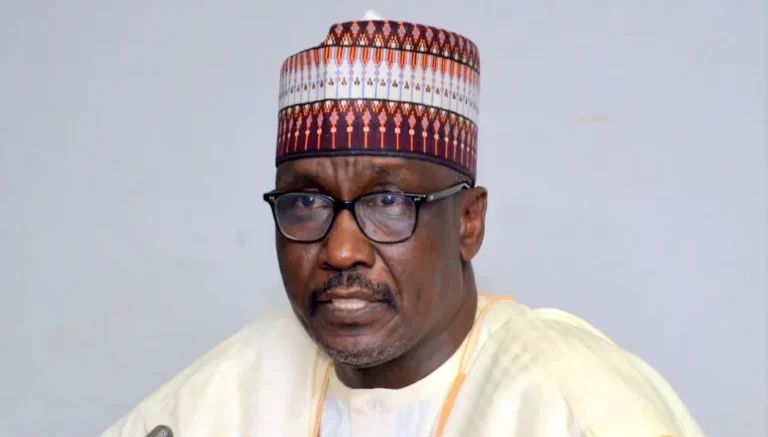
The former Group Managing Director of the Nigerian National Petroleum Company Limited (NNPCL), Mele Kyari, has dismissed allegations of ₦210 trillion in unaccounted funds raised by the Senate, insisting that no money was lost under his watch.
Kyari said the allegations relating to the company’s financial records between 2017 and 2023 were based on misconstrued entries and accounting issues.
He spoke on Tuesday when he appeared before the Senate Committee on Public Accounts, which is investigating queries raised by the Office of the Auditor-General of the Federation over NNPCL’s financial records during the period.
Explaining the issues, Kyari said the company had made efforts to implement decisions of the National Assembly, resulting in sustained investments and the development of the downstream sector for the benefit of the country.
“I am very proud that we have served this company in the best way possible. I remain loyal to this country and have done nothing deliberately wrong,” he said.
READ ALSO: Senate donates N100m to Nigeria’s U-17 women’s team, Flamingos
On payments made to the Federal Inland Revenue Service (FIRS), Kyari explained that they were for registration purposes, describing the discrepancies as entry issues. He also said the ₦2.9 billion in question represented statutory payments.
Addressing the allegation that ₦5 billion was spent on renaming the NNPCL, the former GMD said the company’s name change was effected by the National Assembly, insisting that no money was paid for the exercise.
Kyari subsequently presented his report to the committee.
In his response, the committee chairman said 23 issues had been raised before the panel, with only one or two relating to the former NNPCL chief.
He said the report would be circulated among committee members for examination, adding that the panel could invite those concerned, as well as the Auditor-General of the Federation, for further clarification if necessary.
“We accept your apologies for not appearing at the previous sittings, and we will look at the figures,” the chairman said.
Kyari was subsequently discharged by the committee pending the conclusion of its investigation.
The Senate Committee on Public Accounts began investigating the disputed figures in June 2025 after discrepancies were identified in NNPCL’s audited financial statements covering 2017 to 2023.
The figures comprise ₦103 trillion recorded as accrued expenses and ₦107 trillion listed as sundry receivables. The committee has repeatedly rejected the explanations provided by the company, insisting that the entries must be properly accounted for.
In March 2026, the panel summoned Kyari and other former officials to explain the figures. It later ordered Kyari’s arrest in June after he failed to appear before it. However, former NNPCL officials have denied that the money went missing, arguing that the ₦210 trillion figure arose from a misinterpretation of the company’s financial records.
Business and Economy
Human trafficking: NACTAL president Osemene seeks stronger coordination with NAPTIP
By Prosper Okoye
Nigeria’s anti-trafficking network is seeking to improve relations with the National Agency for the Prohibition of Trafficking in Persons (NAPTIP) in some states, as it pushes for closer coordination between government agencies and civil society organisations.
Osita Osemene, president of the Network of Civil Society Organisations Against Child Trafficking, Abuse and Labour (NACTAL), said on Tuesday that his administration would prioritise repairing strained relationships between NAPTIP state commands and the network’s chapters.
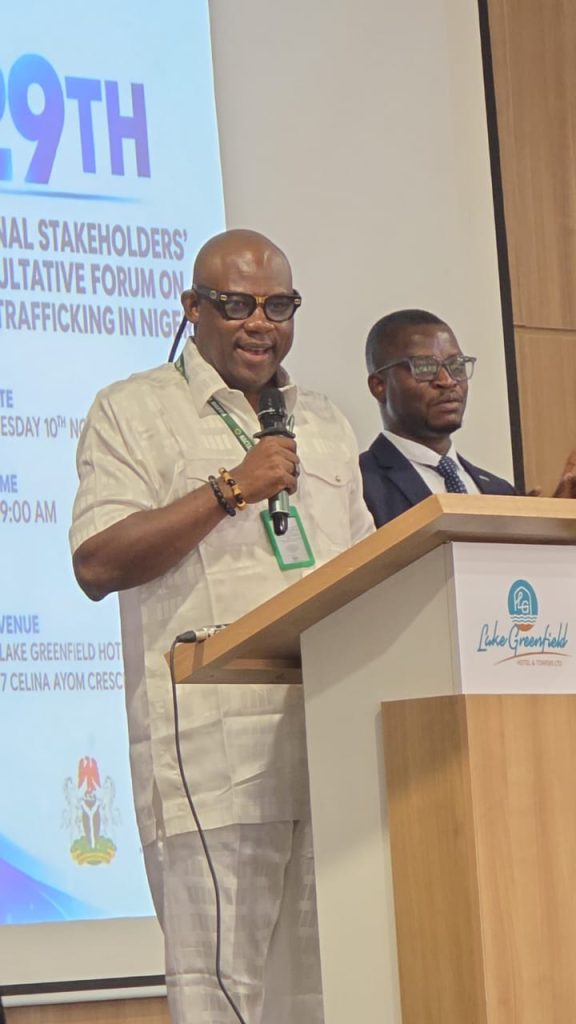
Speaking at the 29th National Stakeholders Consultative Forum on Human Trafficking in Nigeria in Abuja, Osemene said poor relations in some states had weakened the collaboration needed to tackle trafficking.
“I have seen that in some states the relationship between NAPTIP command and NACTAL are strained. We shall change this,” he said.
He also called for greater unity among civil society organisations, urging NAPTIP’s director-general to encourage organisations working with the agency to become members of NACTAL.
Osemene appealed to non-governmental organisations and other civil society groups to register with the network, saying a common platform would improve coordination and strengthen Nigeria’s reporting on human trafficking.
“We want to achieve a good coordination. A country with a good coordination will make a good report because we are going to be reporting as one,” he said.
He said his administration would also focus on building the capacity of NACTAL members to strengthen their contribution to anti-trafficking efforts and improve collaboration at state and federal levels.
Citing engagements with anti-trafficking organisations in Ghana, Mali, Senegal and other countries, Osemene said Nigeria had made progress in government-civil society collaboration.
“We noticed that Nigeria is at the top,” he said, adding that NACTAL would strengthen its relationship with NAPTIP.
NAPTIP Director-General Binta Lami Adamu Bello also stressed the importance of collaboration, describing human trafficking as a continuing challenge that disproportionately affects women.
She raised concerns about the absence of NAPTIP commands in some states, specifically mentioning Delta, which she described as a major trafficking route.
Bello said state anti-trafficking task forces had been established in 25 states, while 10 states were yet to establish theirs. She called for stronger cooperation among states and partners to ensure responses were coordinated and responsive to emerging trafficking trends.
She expressed hope that the forum would provide an opportunity to review the country’s 2027 National Action Plan on Trafficking in Persons.
Attorney-General of the Federation and Minister of Justice Lateef Fagbemi said the Tinubu administration remained committed to combating human trafficking, arguing that poverty and vulnerability created conditions that traffickers exploited.
He said government programmes under the Renewed Hope Agenda were intended to reduce poverty, while reforms to the judicial system and improved intelligence sharing would help bring perpetrators to justice.
Fagbemi also called for greater state participation in funding anti-trafficking efforts, saying responsibility should not rest solely with the federal government because victims and perpetrators came from the states.
He urged stakeholders to use the review of the 2027 national action plan to address identified gaps, strengthen public awareness and improve prevention efforts.
Javier Leon, deputy team lead of FIAP, said Nigeria had made important efforts to combat trafficking but warned that no institution could address the problem alone.
He said cooperation, trust and shared commitment among government agencies, civil society and international partners were essential to achieving lasting results.
He described the impending end of the current National Action Plan as an opportunity to assess progress, identify shortcomings and establish priorities for the next plan.
Leon said the success of anti-trafficking efforts should not be measured only by the number of meetings held or officers trained, but also by the lives protected, victims supported and people prevented from falling into trafficking.
Other organisations and international partners at the forum also delivered goodwill messages, pledging continued support for Nigeria’s efforts to combat human trafficking and stressing the need for stronger collaboration among government institutions, civil society groups and development partners. They included the International Organization for Migration (IOM), the Swiss Embassy, the International Centre for Migration Policy Development (ICMPD), the European Union (EU), UNODC and other stakeholders.
By Chidera Orji
The Central Bank of Nigeria, Asaba branch has made a strategic move to collaborate with the Nigeria Security and Civil Defence Corps, Delta State Command, acknowledging the fact that CBN buildings are critical national aassets and the need to boost theqqa existing relationship with NSCDC Delta command ahead of the forthcoming 2027 general election.
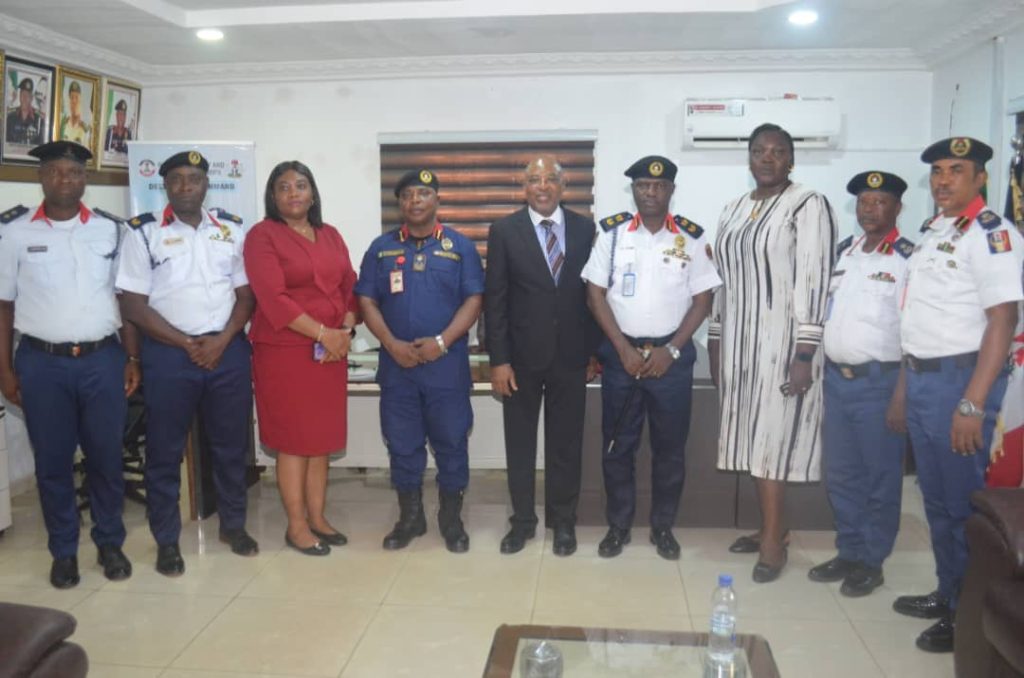
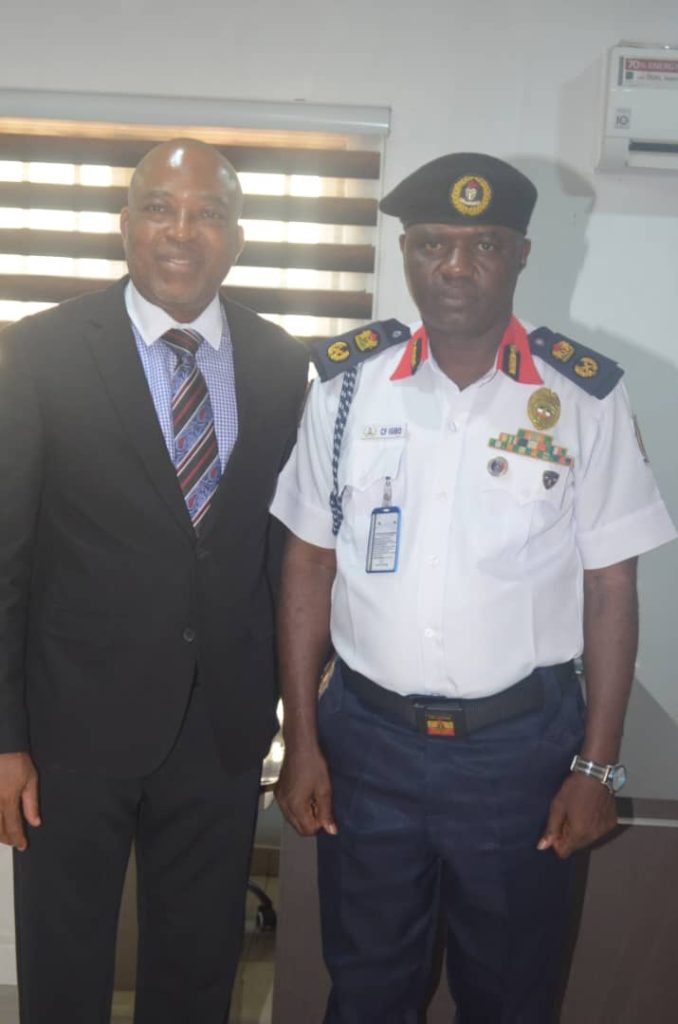
The CBN Asaba Branch Controller, Mr.Alexander Imokhai who sort for the collaboration when he led some senior officers of the branch on a courtesy call to the State Commandant of NSCDC in Delta, Chinedu F. Igbo, noted that agencies of the Federal Government are expected to understand their various roles and mandates, also know the place of strategic partnership with relevant government security agencies such as the NSCDC to boost their ability to deliver on their mandate as a regulatory bank.
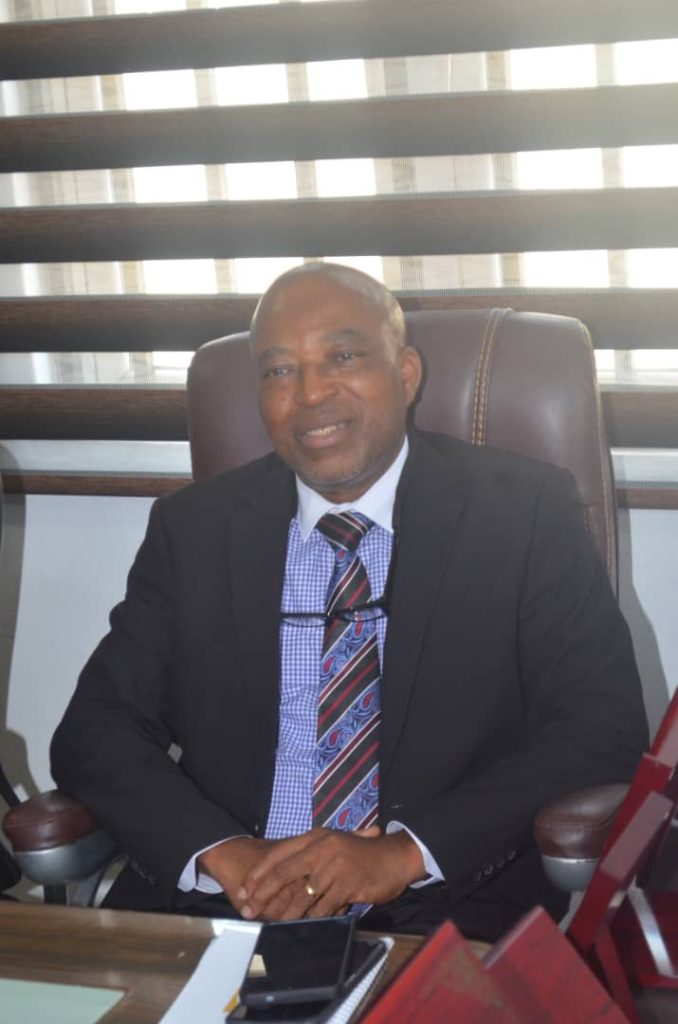
A press statement by DSC Anthony Uchenna, the. CDPRO
Delta State Command of NSCDC, added that CBN Delta State branch boss appreciated Commandant Chinedu for the prompt and warm reception and promised to work with NSCDC Delta State especially in the area of protection of the sensitive materials that will be deposited in the custody of the Apex bank for use in the forthcoming 2027 general election. .
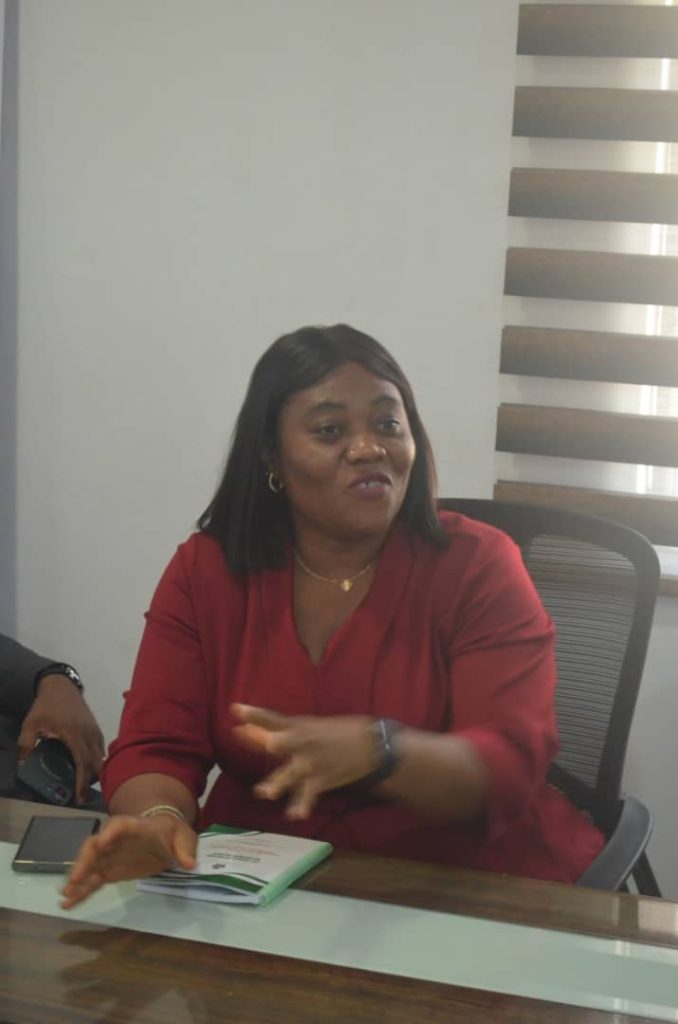
Commandant Chinedu in his response appreciated Mr. Imokhai for the visit to the command, stating that the visit was indeed timely and of necessity. He acknowledged the fact that the CBN has always worked with the Corps in the past, adding that both agencies have maintained good relationship till date.
He however called the attention of the CBN to the need for partnership with the Corps in the area of Corporate Social Responsibility as the NSCDC still requires a lot of support to deliver on the enormous mandate in Delta State.
Commandant Chinedu while requesting to know the private guard company the bank engaged and their status; assured the CBN delegation of his unflinching support at every point in time and whenever he is called upon.
-

 General News1 month ago
Rivers 2027: We are not part of Rainbow Coalition – APC Legacy Group slams Wike, Fubara meeting
-

 Politics2 months ago
2027: ASAF backs APC governors, rejects rainbow coalition
-
General News2 months ago
JOHESU demands: MHWUN puts FG on notice over fresh action
-

 Politics2 months ago
You have demonstrated diligence, loyalty, statesmanship in leadership, Ekechi salutes Shetimma at 60
-

 Politics3 months ago
2027: Advertising experts raise concerns over irregular regulation of sector
-
FCT News3 months ago
2027: Hasana-Moneme pledges skills, empowerment, credit access for FCT women
-
General News3 months ago
2027: Dame Princess Esom-Nwafor Orizu confirmed as APC flagbearer for Nnewi North /South /Ekwusigo Federal Constituency as INEC releases names of candidates
-
Uncategorized4 months ago
Rescue of Oyo schoolchilden: Tinubu commends security agencies, says action breakthrough in fight against criminality