
Business and Economy
IMF warns Nigeria against restoring petrol subsidy


By Our Reporter with agency report
The International Monetary Fund (IMF) has advised Nigeria against restoring broad petrol subsidy, recommending targeted support for vulnerable households to cushion the impact of rising energy costs.
IMF said blanket petrol subsidies were expensive, often benefited higher-income consumers disproportionately and could worsen fiscal pressures amid rising borrowing costs.
Rodrigo Valdés, director of the IMF’s fiscal affairs department, spoke during a press briefing on the fund’s fiscal monitor at the 2026 annual meetings of the IMF and World Bank in Bangkok, Thailand, on Wednesday.
His comments followed a question on how the fund could recommend allowing energy prices to reflect scarcity when higher fuel prices in Nigeria could raise transport costs, worsen inflation and deepen poverty, particularly when the government was facing calls to restore petrol subsidy ahead of an election year.
“Protecting people is not the same as protecting the price of fuels,” Valdés said.
He said fuel subsidies or measures preventing prices from adjusting fully to an energy shock had cost countries between 1 percent and 1.5 percent of gross domestic product (GDP) in 2026.
“It’s first fiscally very costly, and second, if you look at the pattern of consumption, it’s easy to see that that subsidy is readily regressive in many places,” he said.
Valdés said governments should instead use social safety nets and household data to identify people who need assistance.
“There are better tools to deal with this,” he said.
The federal government recently announced a 30-day petrol discount at Nigerian National Petroleum Company (NNPC) Limited retail stations, with priority for public transport operators, to cushion the impact of rising fuel prices.
Taiwo Oyedele, minister of finance, said NNPC retail would sell petrol at cost by foregoing its retail profit margin, describing the measure as temporary relief rather than a return to petrol subsidy.
The government also proposed negotiating a ceiling of N1,350 per litre on petrol’s ex-gantry or landing cost, subject to monthly reviews
IMF URGES FG TO REDIRECT SUBSIDY GAINS TOWARDS VULNERABLE PEOPLE
The IMF also recommended targeted interventions to cushion the effect of higher fuel prices on transportation costs.
Davide Furceri, a division chief in the fund’s fiscal affairs department, said governments could redirect some of the resources spent on blanket subsidies towards vulnerable consumers.
“For example, you mentioned transportation costs. Yeah, gasoline could go up, and perhaps bus fees may be subsidised in a way that is a much better policy at the end of the day than just a blanket subsidy for everybody,” Furceri said.
He also suggested alternatives such as school feeding programmes, geographical targeting and assistance for vulnerable farmers.
READ ALSO: Atiku accuses Tinubu of copying his fuel subsidy proposal
Furceri acknowledged that some countries lacked household registries and digital payment systems needed to deliver targeted support effectively.
However, he said governments could adopt alternative approaches in the short term while developing stronger systems.
He recommended that assistance should be limited, targeted and temporary.
Valdés explained that fuel subsidies could worsen global energy pressures by preventing demand from adjusting when supplies were constrained.
“When you subsidise, you don’t allow, at the end of the day, demand to adjust,” he said.
“And reality is that we have less fuels in the world economy. That means that someone else has to adjust more, and the market produces a higher price for that.”
The IMF official said subsidies were not only costly and regressive but could also have spillover effects on the global economy.
TheCable

Business and Economy
FG commissions new 120MVA Billiri Substation, upgrades Gombe with 300MVA, 100MVA transformers
By Chidera Orji
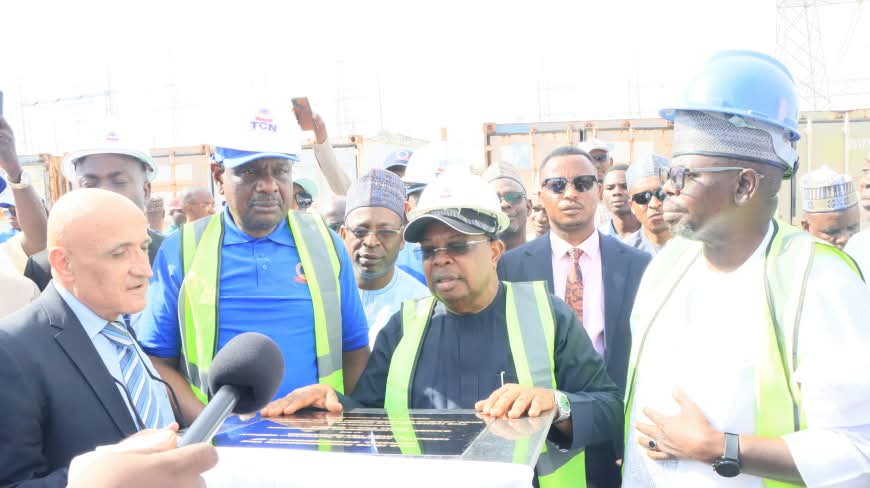
The Federal Government has commissioned a new 2x60MVA transmission substation in Billiri, Gombe State, and upgraded the Gombe Transmission Substation with a 300MVA and a 100MVA power transformer.
The projects add a total of 240MW at the 330kV level and 176MW at the 132kV level.
The Minister of Power, Joseph Tegbe, who performed the commissioning on Thursday, 19th November, 2026, beginning with the new Billiri substation, said that the substation, with an installed capacity of 120MVA, equivalent to about 96MW, comprises two 60MVA transformers connected to the existing Gombe–Zabana–Yola transmission line.
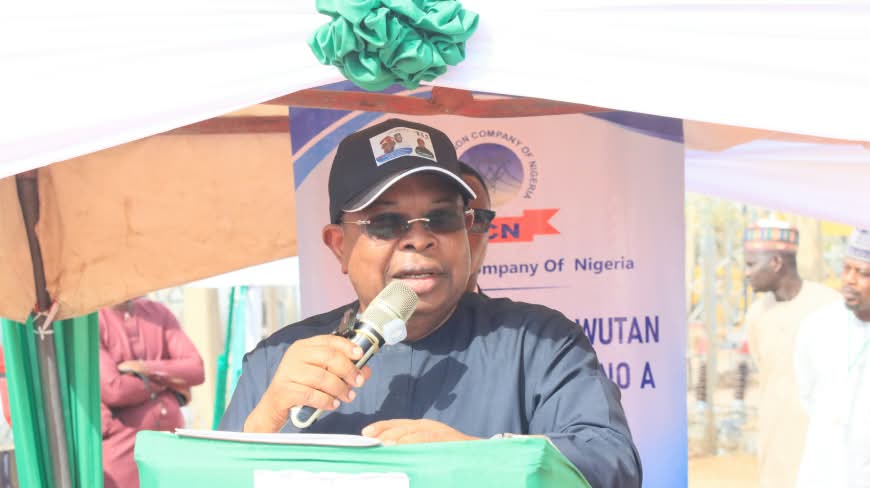
He disclosed that the project was designed to address longstanding electricity infrastructure challenges constraining the productive potential of Billiri, Numan and adjoining communities, noting that reliable electricity is critical to unlocking their economic opportunities.
Describing the investment as part of President Bola Tinubu’s administration’s commitment to strengthening critical transmission infrastructure and ensuring no community is denied opportunities for economic prosperity because of inadequate electricity supply,, the minister added that an improved electricity will strengthen supply within the Jos Electricity Distribution Company (Jos DisCo) franchise area, support businesses and other productive activities, attract investment and create employment.
He urged residents to protect the facility, warning that vandalism could undermine its benefits.
“These equipment you have here are your assets. They’ve been built for you and for your use. So I make a great appeal to you. You must take care of these facilities. Keep these facilities safe,” he said.
He commended the Gombe State Government for partnering with the Federal Government, saying Governor Muhammadu Inuwa Yahaya’s commitment had created an enabling environment for investment.
Gombe State Governor, Muhammadu Inuwa Yahaya, represented by the Commissioner for Energy and Mineral Resources, Sanusi Ahmed Pindiga, thanked President Tinubu for assenting to the Electricity Act 2023. He said the Billiri substation would benefit host communities and adjoining states, and urged consumers to avoid electricity wastage.
The traditional ruler of Tangale Chiefdom and Seriki of Billiri, Alhaji Danladi Sanusi Dalandi, said improved electricity would support businesses, attract investment, create jobs and improve healthcare, education and other social services in the area.
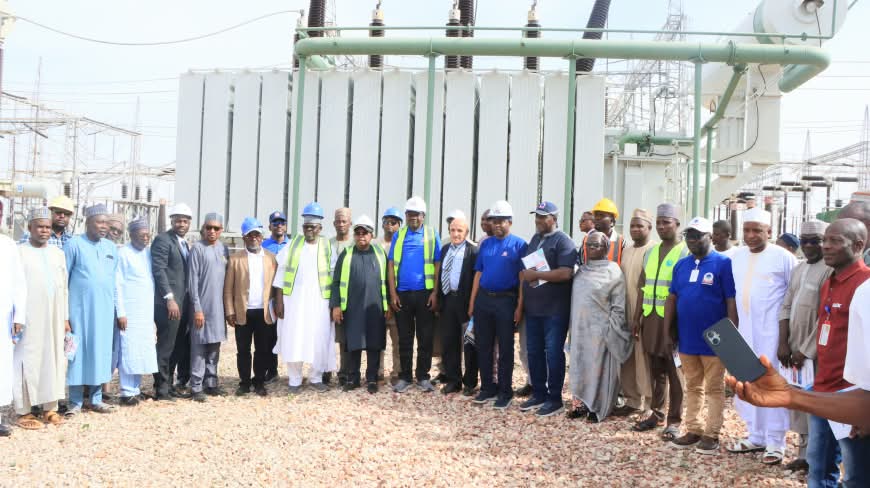
From Billiri, the Minister proceeded to the Gombe Transmission Substation, where he commissioned the second project of the day, the upgrade of the station with an additional 300MVA, 330/132kV transformer and a new 100MVA, 132/33kV transformer.
The upgrade doubled transmission capacity at the station from 300MVA to 600MVA at the 330kV level. The replacement of an existing 30MVA transformer with the 100MVA unit also raised downstream capacity to 220MVA, equivalent to 176MW.
The upgrade is expected to improve electricity supply to more than 70,000 additional households in Gombe and neighbouring parts of the North-East, including Yobe State.
Tegbe said the upgrade would accommodate growing demand, with benefits extending to other parts of the North-East.
In his welcome address, the Managing Director/CEO of the Transmission Company of Nigeria (TCN), Sule Ahmed Abdulaziz, said demand in Gombe and areas supplied by the station had outgrown its previous configuration.
He said TCN awarded the project in June 2021 and completed it in June 2026.
“The new transformers provide our system operators with greater operational flexibility,” he said. “At the 330kV level, the station now has increased capacity to wheel more power onward. At the 132/33kV level, the larger unit provides Jos DisCo with increased offtake capacity to serve customers in Gombe.”
Abdulaziz urged residents to protect the installations and report vandalism or suspicious activities to security agencies or the nearest TCN office. He also urged Jos DisCo to maximise available capacity by taking more power for its customers.
By Chidera Orji
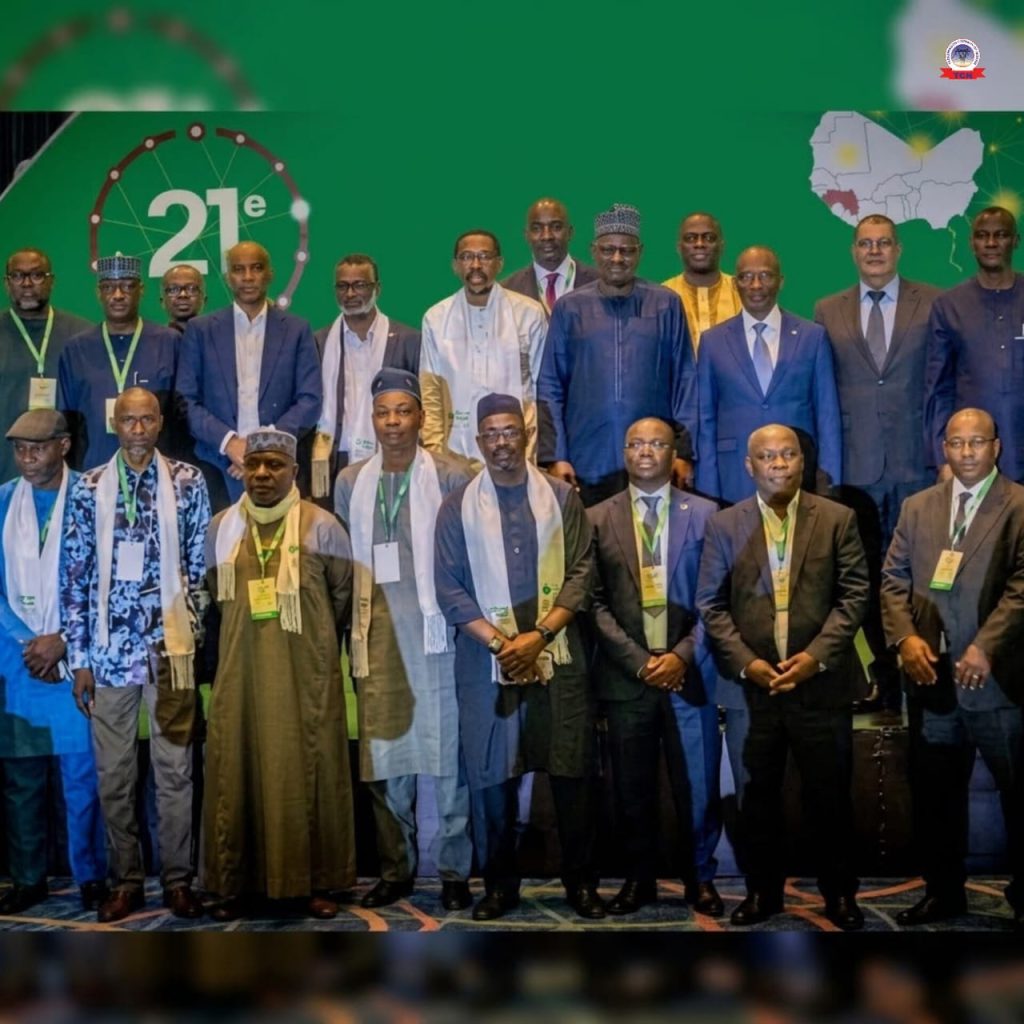
The Chairman of the Conseil International des Grands Reseaux Electriques (CIGRE) West Africa National Committee, Engr. Sule Ahmed Abdulaziz, has highlighted several significant achievements recorded by the Committee since its last General Assembly held in Lomé on 24th January 2026.
He attributed the progress to the collective commitment and active contributions of members towards building a stronger, more integrated and technically advanced regional power system.
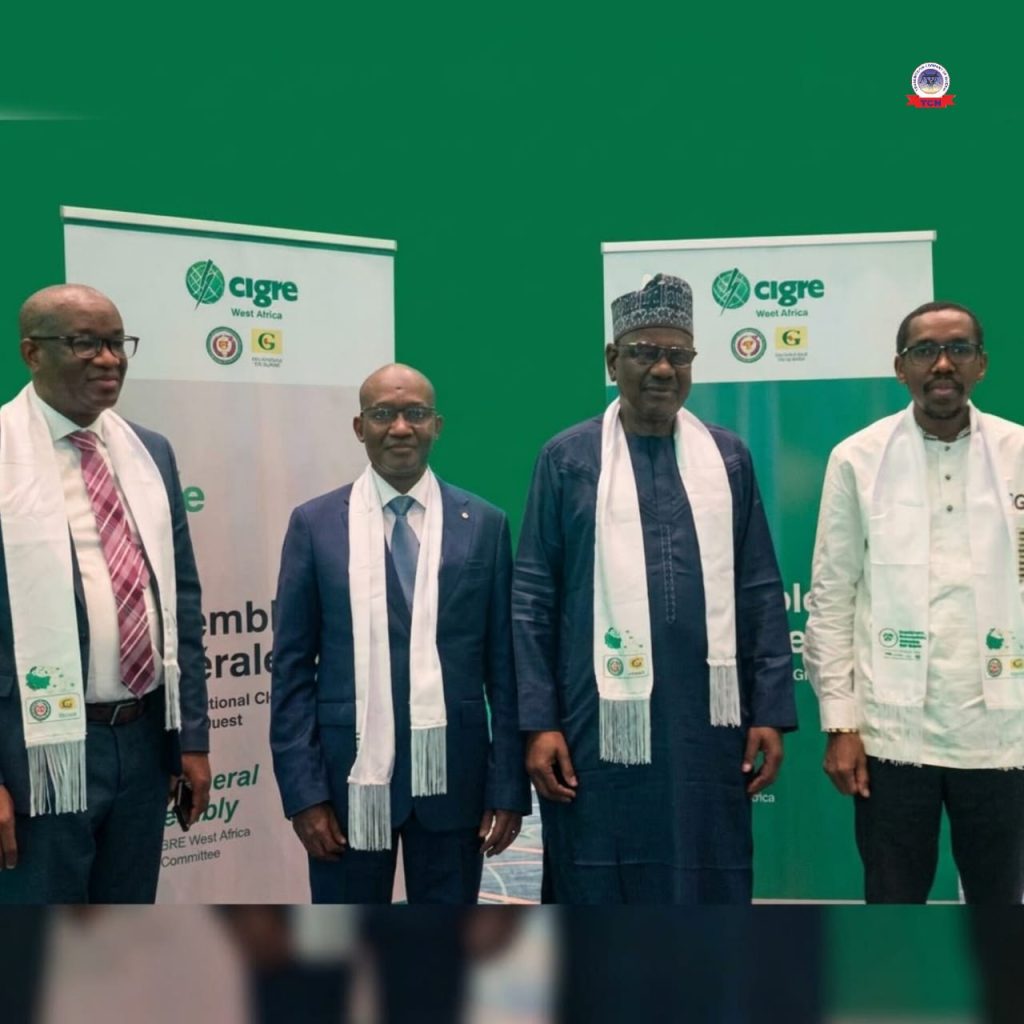
Speaking at the 7th Session of the General Assembly of the CIGRE West Africa National Committee in Conakry on 7th November 2026, Engr. Abdulaziz identified the hosting of CIGRE Training Sessions and Study Committee meetings in Dakar in March 2026 as part of the Committee’s major accomplishments.
Another notable achievement, according to a press statement from TCN, was the Committee’s joint project with VRA Academy and NAPTIN, which secured a grant of €88,700 from the CIGRE Fund for Innovation and Education. The project is designed to equip young women with skills in solar energy and mini-grid technologies. According to the Chairman, the initiative represents a strategic investment in human capital development and the future of the regional power sector.
Engr. Abdulaziz stated that these achievements were particularly significant as West Africa advances towards the second phase of the Regional Electricity Market, which seeks to establish an organised and competitive electricity market through the integration of national power systems into a unified regional grid operating at a common frequency.
He, however, observed that the regional power system remains weakly interconnected, with limited reserve capacity. He therefore emphasised that capacity building must be regarded not merely as a technical requirement but as a strategic investment in system security, improved utility performance and the overall success of the Regional Electricity Market.
On the sustainability of the Committee’s activities, the Chairman recalled the resolutions reached at the Lomé General Assembly on the establishment of a pooled funding mechanism and a minimum annual operating budget of €213,940. He urged members to take the necessary steps to implement the resolutions to ensure sustainable financing and continuity of the Committee’s programmes and activities.
Earlier, in his welcome address, the Secretary General of the CIGRE West Africa National Committee, Mr. Abdoulaye DIA described CIGRE, established in 1921, as the world’s leading global platform for knowledge exchange and technical collaboration in power systems. He noted that the organisation has National Committees in over 90 countries and a membership of more than 15,000 professionals worldwide.
He explained that the West Africa National Committee, officially recognised by CIGRE International in August 2020, provides member utilities and industry professionals with access to CIGRE’s extensive knowledge network, technical publications and the work of its 16 Study Committees.
DIA encouraged delegates to participate actively in the General Assembly’s deliberations, stressing the importance of strengthening the Committee as a platform for professional development, technical knowledge sharing and the advancement of regional expertise, all of which are essential to the successful development of the Regional Electricity Market.
Established in 2019 by electricity companies affiliated with the West African Power Pool (WAPP), the CIGRE West Africa National Committee was officially recognised by CIGRE International in August 2020. Its mandate is to promote knowledge sharing, strengthen technical capacity and showcase West African expertise in power systems.
Its recognition as a regional National Committee also provides members with important benefits, including representation and voting rights within CIGRE, opportunities to nominate experts to technical committees, access to technical documents and publications, as well as opportunities to participate in calls for papers and access relevant funding opportunities.
The CIGRE Committe brought together power sector experts from across the region and beyond to exchange knowledge, share experiences and strengthen professional networks.

By Onyema Ohaegbu
What if purchasing data ceased to be a straightforward commercial transaction and became an experience in which certainty meets pleasant surprise, guaranteed value encounters unexpected generosity, and connectivity yields more than the customer originally bargained for? What if every subscription carried within it the possibility of an additional reward, transforming the familiar business of buying data into an invitation to enjoy more, achieve more and experience more?
This is the refreshing proposition behind Globacom’s Magic Data Bundles, an innovative offering that is redefining the conversation around affordability, customer value and digital inclusion in Nigeria’s telecommunications landscape.
At a time when data has become the indispensable currency of contemporary civilisation, powering conversations, commerce, education, entertainment, healthcare, governance and virtually every expression of human enterprise, the importance of affordable and dependable internet access cannot be overstated. Data is no longer merely a technological commodity; it is the invisible infrastructure upon which modern society conducts its business, exchanges knowledge, creates opportunities and sustains relationships.
Globacom’s Magic Bundles recognise this changing reality and respond with a proposition whose central philosophy is beautifully uncomplicated: customers should receive what they pay for, and enjoy something extra.
The ingenuity of the offering resides in its distinctive two-component architecture: a guaranteed main data allocation, complemented by an additional Magic Bonus, automatically credited following a successful subscription.
Available at two accessible price points, ₦1,600 and ₦3,500, the proposition introduces an appealing dimension of reward into the customer’s data experience.
At ₦1,600, subscribers receive a guaranteed 2.5GB main data allocation, alongside a Magic Bonus ranging from 500MB to 7.5GB, bringing the potential total allocation to between 3GB and 10GB. At ₦3,500, customers are assured of 8GB, with an additional bonus ranging from 1GB to 12GB, potentially raising their total data entitlement to between 9GB and 20GB.
Herein lies the magic: the guaranteed allocation remains sacrosanct, while the additional reward introduces an element of delightful anticipation. The bonus is automatically assigned by Globacom’s system, meaning that customers may receive different additional allocations on different subscriptions. The maximum reward is not guaranteed, but an additional bonus accompanies every qualifying purchase.
It is an ingenious marriage of commercial assurance and rewarding spontaneity.
Beyond the attractive numbers, the strategic significance of Magic Bundles becomes even more compelling when examined against the diverse demands of Nigeria’s increasingly data-dependent population.
For entrepreneurs, small businesses, retailers and corporate organisations, data is the oxygen of commercial productivity. It facilitates digital marketing, electronic payments, customer engagement, virtual meetings, inventory management and the expanding universe of online commerce.
Additional data can translate into more opportunities to transact, communicate and serve customers without immediately returning to the marketplace for another subscription.
For students, researchers, lecturers and educational institutions, connectivity is a gateway to intellectual discovery. Online libraries, virtual classrooms, academic journals, educational videos and collaborative learning platforms have made internet access indispensable to contemporary education. More data means greater latitude to explore knowledge and participate in the expanding global classroom.
In healthcare, connectivity strengthens the possibilities of teleconsultation, medical research, professional collaboration, digital health records and public-health communication. Government institutions equally depend on data for administrative efficiency, citizen engagement, electronic services, policy communication and the expanding architecture of digital governance.
Within Nigerian homes, the benefits assume an altogether intimate character. Parents connect with children, families maintain relationships across geographical distances, young people explore opportunities, and households access entertainment, information and digital services.
From video streaming and social networking to online banking and professional development, Magic Bundles offer additional breathing space for everyday digital living.
Another attractive dimension is the flexibility of the proposition. Customers can purchase through the Glo Café application or by dialling *312#. The bundles are also shareable and giftable, subject to applicable conditions, while rollover provisions apply under Globacom’s prevailing policies.
Customers can monitor their main and bonus balances through Glo Café, the web self-service platform or *323#.
Viewed against competing industry propositions, Glo’s offering deserves particular attention.
Other operators provide daily, weekly and monthly subscriptions, promotional bonuses and specialised data packages. However, Magic Bundles distinguish themselves through the deliberate combination of a guaranteed allocation and an automatically awarded additional data reward within one subscription proposition.
This differentiation, rather than any sweeping dismissal of competitors’ offerings, constitutes the product’s strongest competitive argument.
The television commercial currently running on Arise TV provides an important communications platform for this proposition. Its significance extends beyond announcing another data package.
It places the product within a broader conversation about value, aspiration and the changing expectations of Nigerian telecommunications consumers. Arise TV’s national visibility and business-oriented audience offer a useful environment for communicating the proposition to decision-makers, professionals, entrepreneurs and ordinary subscribers alike.
Ultimately, Glo Magic Bundles embodies an attractive commercial philosophy: connectivity should empower, affordability should deliver substance, and customer loyalty should encounter tangible rewards.
In an industry where operators compete for attention, subscription and market share, Globacom is making a persuasive statement by placing additional customer value at the centre of its proposition.
It is a philosophy that resonates naturally with the company’s overarching campaign declaration, Never Settle for Less. Indeed, why should customers settle for the ordinary when their subscriptions can deliver something extra?
With Magic Bundles, Globacom is inviting Nigerians to experience data differently: not simply as megabytes purchased, but as opportunities multiplied, possibilities enlarged and everyday digital experiences enriched.
Because when connectivity comes with a little more magic, the possibilities become considerably greater.
Pastor Onyema Ohaegbu, Telecoms Enthusiast, writes in from Abuja
-
 General News2 months ago
Rivers 2027: We are not part of Rainbow Coalition – APC Legacy Group slams Wike, Fubara meeting
-
 Politics2 months ago
2027: ASAF backs APC governors, rejects rainbow coalition
-
General News2 months ago
JOHESU demands: MHWUN puts FG on notice over fresh action
-

 Politics3 months ago
You have demonstrated diligence, loyalty, statesmanship in leadership, Ekechi salutes Shetimma at 60
-

 Politics3 months ago
2027: Advertising experts raise concerns over irregular regulation of sector
-
FCT News3 months ago
2027: Hasana-Moneme pledges skills, empowerment, credit access for FCT women
-
General News4 months ago
2027: Dame Princess Esom-Nwafor Orizu confirmed as APC flagbearer for Nnewi North /South /Ekwusigo Federal Constituency as INEC releases names of candidates
-
General News1 month ago
Senator Mandiya slipped, died in Abuja bathroom, corpse discovered after 3 days, says Sen Ningi